

CASE STUDY: Barbie - How purpose transformed an iconic brand an the company behind it
When Mattel launched Teen Talk Barbie in 1992, one of the doll’s phrases, “Math is tough, let’s go shopping,” reinforced every outdated stereotype about women. Barbie, once a cultural trailblazer, had seemingly regressed into a superficial symbol of consumerism.

athomaspointofview.com, 2014
This wasn’t what Ruth Handler, Mattel’s co-founder, had in mind when she created Barbie in the 1950s. From the very beginning, Barbie was meant to be a symbol of empowerment, not limitation. And in the early days, she was. Barbie became a fashion designer in 1960, a college graduate in 1963 (when only 6.7% of American women held degrees), and an astronaut in 1965, four years before the first man set foot on the moon.
From the very beginning, Barbie was meant to be a symbol of empowerment, not limitation
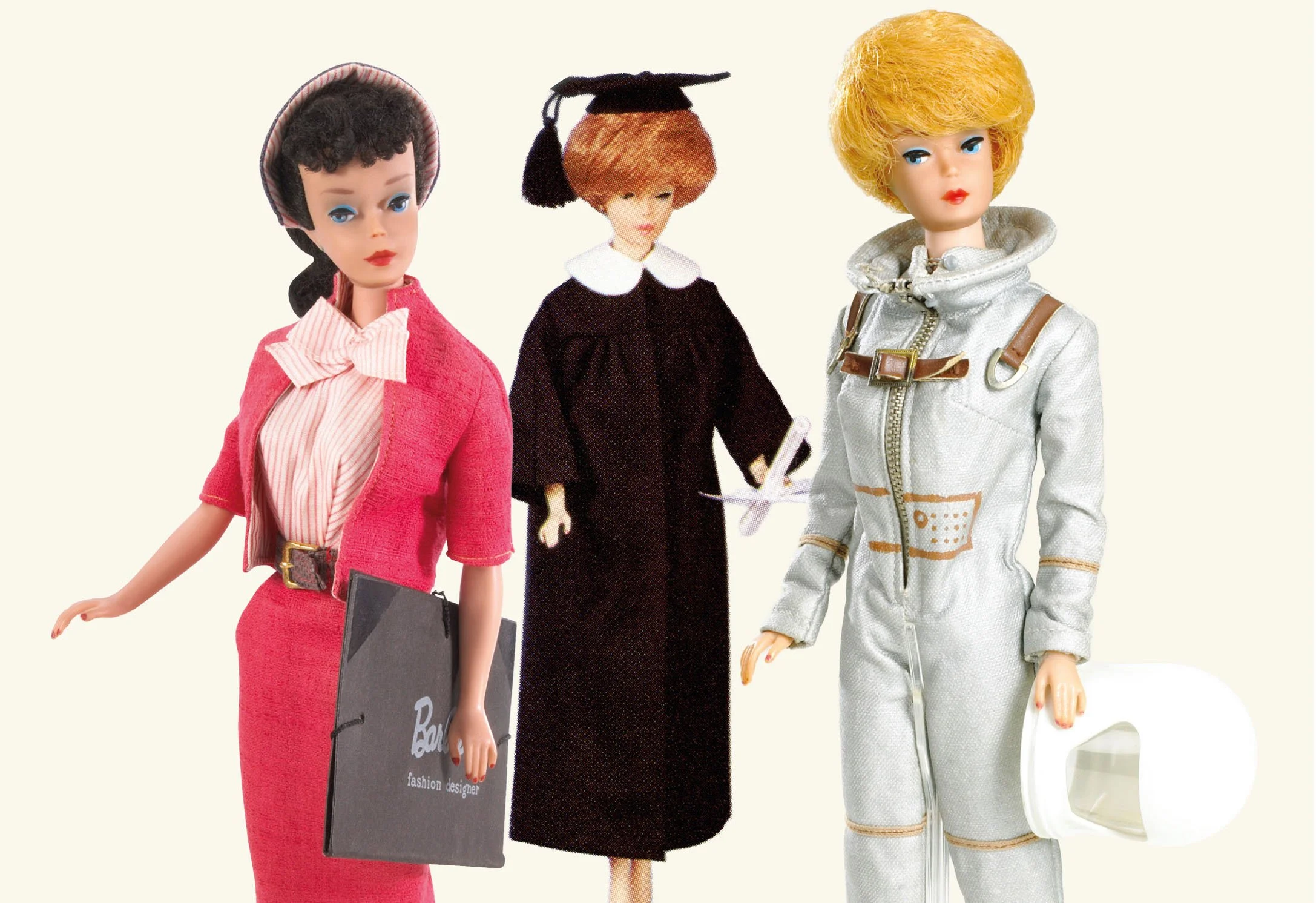
Mattel Inc: 1960: Fashion Designer Barbie / 1963: College Graduate Barbie / 1965: Astronaut Barbie
By the 1990s and early 2000s, however, it seemed as though Barbie had lost her way and turned from inspiration to stereotype. Sales plateaued, and the once-beloved brand risked fading into irrelevance.
Mattel had a choice: let Barbie become a relic of the past or return to its roots.
It chose renewal.
The Power of Rediscovering BARBIE’S BRAND Purpose
To rediscover Barbie’s brand Purpose, Mattel asked the two foundational questions of Purpose discovery: what does the world need and what are the superpowers Barbie can leverage to meet that need? The brand needed to reflect on these questions and, at the intersection of the answer, identify how a brand with such a rich heritage might create new societal value in the world today. As Mattel pondered these questions, research from New York University (NYU) Professor of Psychology Andrei Cimpian revealed that by age six, girls are already less likely than boys to believe that members of their own gender are “really, really smart,” reflecting an early internalization of the stereotype that brilliance is male. Boys, by contrast, continue to associate high intellectual ability more strongly with their own gender. These early differences in belief suggest that cultural stereotypes about brilliance take hold quickly and may influence the paths children imagine for themselves., The study also implied that exposing children to diverse role models and counter-stereotypical examples, especially women associated with high intellectual achievement, helps reverse this self-perception.
Equipped with this insight, Mattel explored Barbie’s superpowers and the role of doll play in the critical moments of childhood development. The research supported what Mattel founder Ruth Handler had already instinctively realized more than 50 years earlier: “My whole philosophy of Barbie was that through the doll, the little girl could be anything she wanted to be. Barbie has always represented the fact that a woman has choices.” In other words: Barbie could once again become a role model for young girls at a time in their development when they most need to see what’s possible.
This became the nucleus for the rediscovery of Barbie’s Purpose: “To inspire the limitless potential in every girl.”
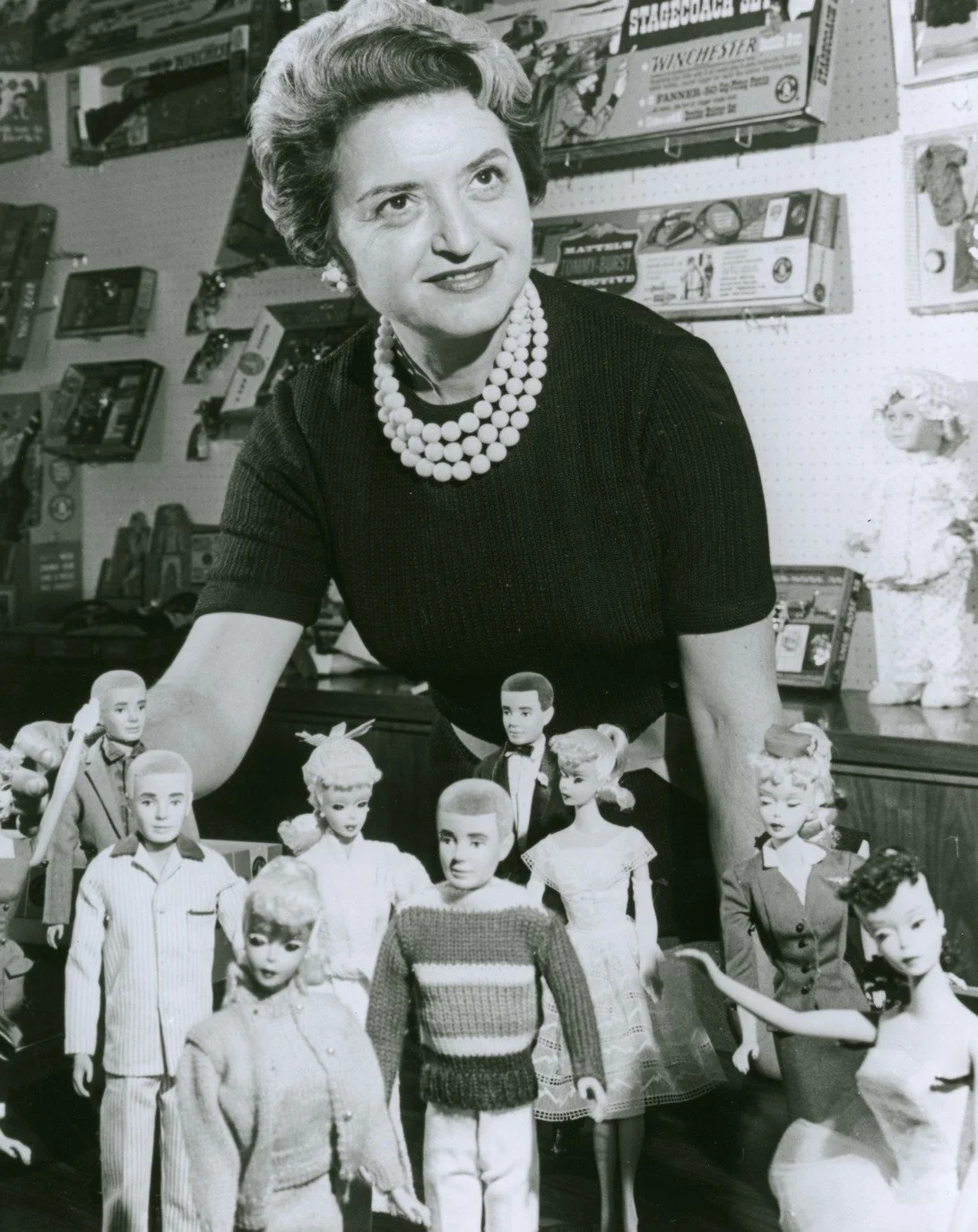
“My whole philosophy of Barbie was that through the doll, the little girl could be anything she wanted to be. Barbie always represented the fact that women had choices.”
- Ruth Handler
Image: Ruth Handler, Wikipedia
Brand action speaks louder than words
In activating this new brand Purpose commercially, Mattel resisted the idea of leading with a big flashy advertising campaign, instead putting action over words and creating the proof points first. A new series of Barbie Role Models, based on iconic real-life women who had already broken through the glass ceiling in the most inspiring ways, proved to girls that they could be anything. Mattel also diversified Barbie’s body types, skin tones, and abilities, so all children could see themselves in the brand’s promise, proving that Barbie was serious about inspiring the limitless potential in every girl.
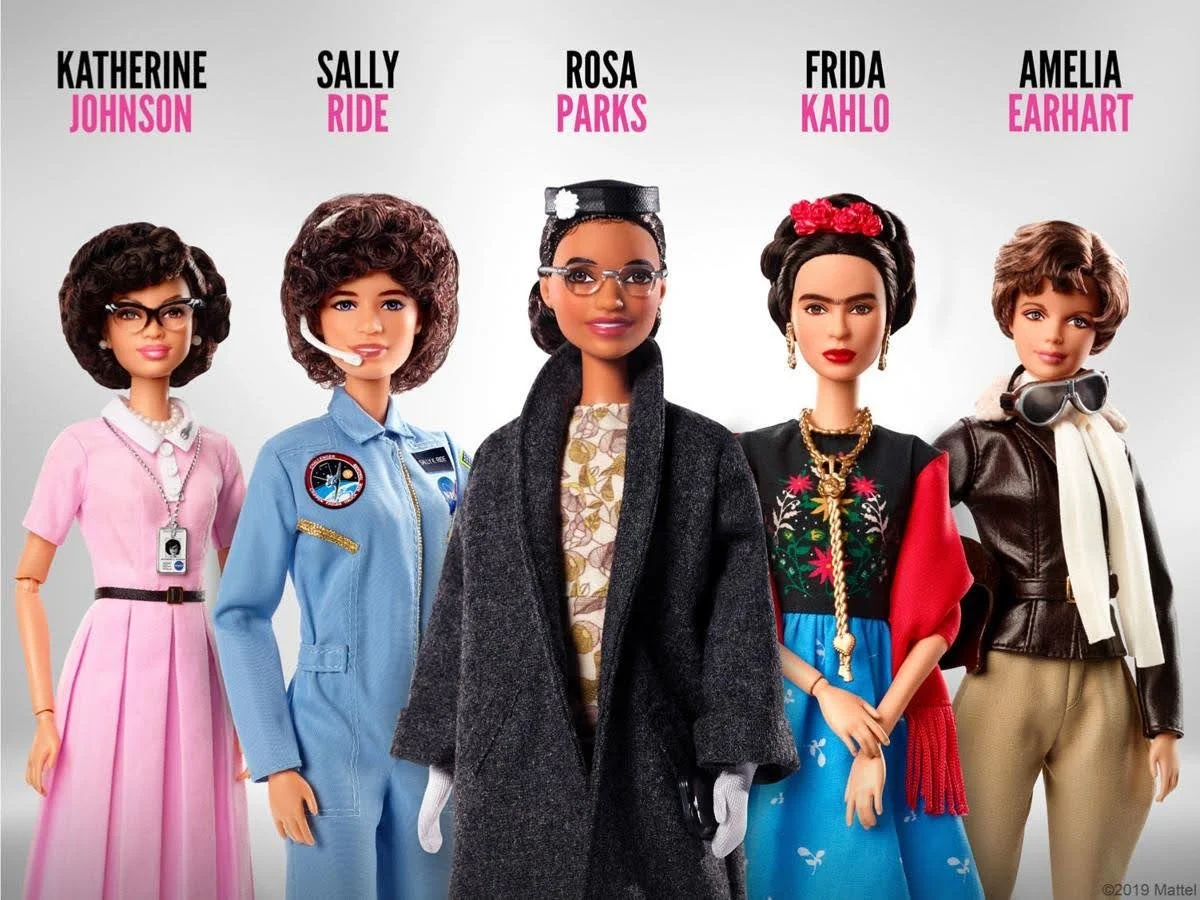
Mattel Inc, Role Models, 2019
This didn’t go unnoticed by a new generation of parents for whom previous iterations of Barbie were seen as cultural relics of unrealistic expectations and outdated beauty standards. The idea that Barbie could now be an inspiration for little girls to dream bigger and aim higher was so different and meaningful to kids and parents alike that Barbie created a whole new generation of fans, punching way over its weight class in terms of cultural relevance and awareness.
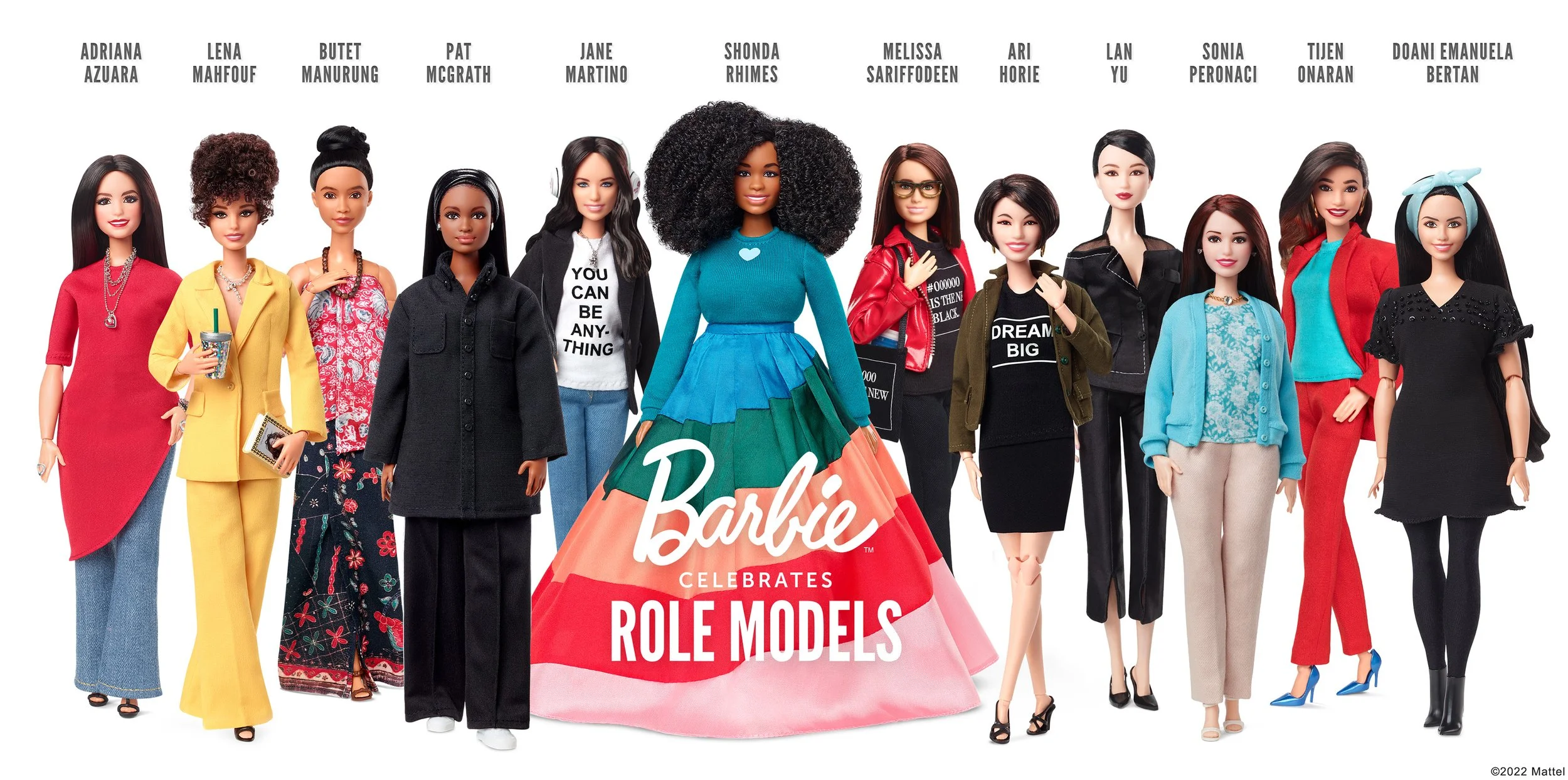
Mattel Inc, Role Models, 2022
Turning Purpose into a platform
In 2018, building on Barbie’s growing credibility, Mattel went on to articulate the brand’s Purpose more prominently through marketing communication. Inspired by the NYU research, it turned the Purpose statement into a consumer-facing brand platform that articulated its ambition in the most simple and accessible way: “The Dream Gap Project.”
Mattel Inc. Dream Gap Project, 2019
After demonstrating authentic action and amplifying it through storytelling, Mattel added the third critical element of "Brand Power” to the Barbie story: creating ways people could actively engage with the brand’s Purpose, by inviting parents, educators, and communities to actively participate in closing the Dream Gap. Parents were encouraged to recognize and challenge limiting language they used with children; educators were given resources, learning tools, and conversation starters; and girls were invited to name their dreams and role models, not just consume messaging. This expanded Barbie’s role from a storyteller and “story doer” into a convener, enabling families to engage with the Purpose in everyday life. Barbie gave people language, tools, and framing to act, not just agree.
Leveraging cultural capital
This growing brand platform allowed Barbie to leverage its increasing cultural equity into partnerships that amplified its reach way beyond what traditional media budgets alone could have achieved. Content partnerships with Netflix, Hulu, and Nickelodeon created new entertainment formats, and culturally relevant celebrities were happy to see their likenesses on special-edition Barbies, keeping the brand fresh and culturally fluent through an ongoing stream of new product releases.
The most consequential partnership of all was with legendary Hollywood film studio Warner Bros. Bringing Barbie onto the big screen resulted in the most successful movie of 2023 and Warner Bros.’ highest-grossing release ever, with over $1.4 billion in worldwide box office revenue, according to Box Office Mojo. It also broke a few other records: it became the highest-grossing film ever directed by a solo female director; it set the record for the biggest opening weekend for a film that wasn’t a sequel, remake, or superhero property; and it became the highest-grossing live-action comedy film of all time, as reported on the film’s Wikipedia page.
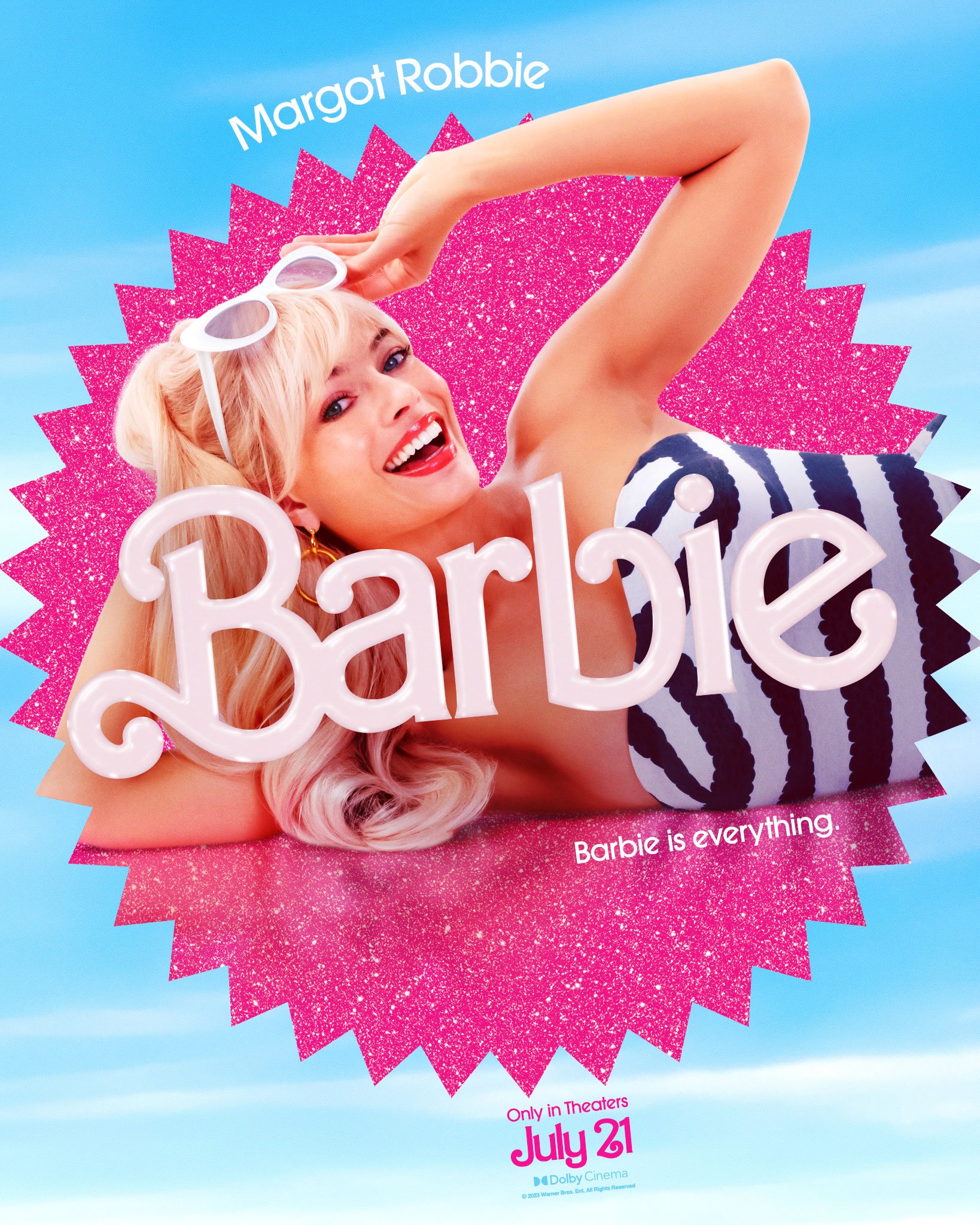
Warner Brothers, Barbie Movie 2023
Crucially, while the movie further amplified Barbie’s cultural relevance, it did not create it. In our opinion, the moment was possible because the brand’s meaning had already been rebuilt through years of brand action, driven by a clear Purpose definition that preceded it.
Unlocking new growth
Case in point: between 2017, when Barbie’s Purpose transformation began, and 2022, the year before the movie launched, Barbie sales had already soared by a whopping 76%, according to Statista. This number is even more impressive given the headwinds the brand faced due to factors outside of Mattel’s control, such as major supply-chain disruptions during the COVID-19 pandemic or the bankruptcy of Toys“R”Us, the industry’s biggest specialty retailer.
Warner Bros. wasn’t betting on a doll; it was betting on a brand that had re-earned its place at the center of culture. Without years of Purpose-led action, renewed credibility with parents, and authentic resonance with a new generation, there would have been little reason for a major Hollywood studio to believe Barbie could carry a global theatrical moment. Hollywood rarely revives brands; it amplifies those that have already growing cultural relevance. Barbie didn’t become meaningful because of the movie; the movie was possible because Barbie had already become meaningful again.
Brand Power at it’s peak
In many ways, Barbie’s success story has both informed and proven our ideas and frameworks around Purposeful Growth at a brand level.
Meaning: reclaiming a credible role in people’s lives
In our brand theory chapter, we outline how meaning is the foundation of Brand Power: the clear, credible and emotionally impactful role a brand plays in the lives of people and the world. For Barbie, rediscovering meaning meant returning to her original reason for being, empowerment, while translating it into something urgently relevant for today. By grounding her Purpose in a real human need, closing the gap in confidence that emerges for girls at a young age, Barbie’s promise to “inspire the limitless potential in every girl” moved beyond heritage storytelling to become a meaningful contribution to childhood development, culture, and parenting. Barbie was no longer just something children played with; she became something parents believed in.
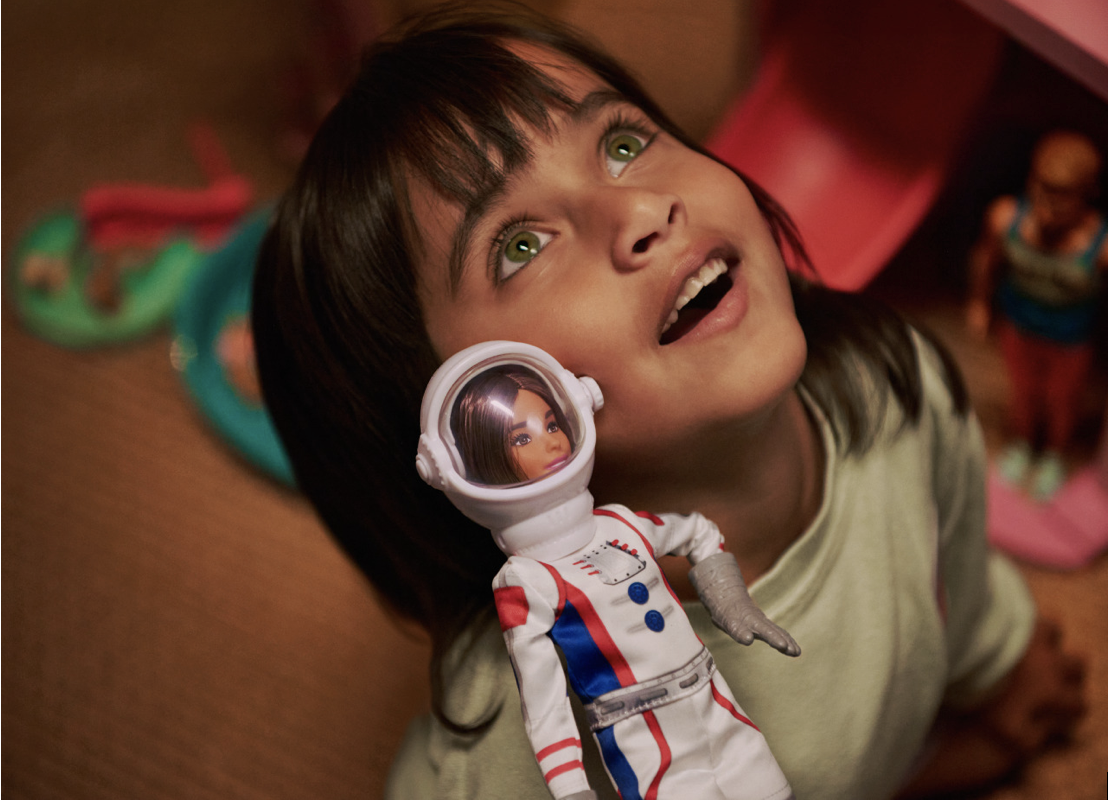
Mattel Inc. Barbie campaign, 2024
Differentiation: from product icon to cultural point of view
For Barbie, differentiation did not come from novelty, trend-chasing, or creative flair alone. It came from reclaiming a singular, defensible role in culture: inspiring the limitless potential in every girl. While many brands speak about empowerment, Barbie is one of the few with a credible right to do so. Her heritage as a role-model doll, her scale, and her presence in the formative years of childhood gave the brand an authority others could not manufacture.
This made Barbie’s “why” not just appealing, but ownable, deeply tied to what only Barbie could realistically deliver. And driven by its Purpose, the brand’s “how” became just as distinctive: product innovation expressed Purpose through an expanded range of body types, skin tones, and abilities. And the Barbie Role Models line translated empowerment into playable role models, turning abstract ideals into tangible proof points. These were not generic inclusion gestures; they were brand-specific expressions of Barbie’s role as a mirror and a possibility engine for girls.
Salience: when cultural relevance creates outsized awareness
As we’ve also shared in our brand chapter previously, salience, the final unlock of Brand Power, is not just about visibility, it’s also about cultural significance. Barbie’s renewed meaning and differentiation prepared the ground for moments of disproportionate attention, most visibly the Barbie movie. The film’s explosive success didn’t manufacture relevance; it amplified relevance that had already been earned over years of Purposeful action. By the time Barbie took center stage in popular culture, audiences were ready to engage because the brand felt contemporary, self-aware, and culturally fluent. This is another proof point for Purpose driving Brand Power: when brands build purposeful meaning and differentiation, salience follows naturally, often at a scale that far exceeds traditional media logic. Just imagine the conventional marketing and media budgets it would have taken Mattel to build a similar global moment for the brand.
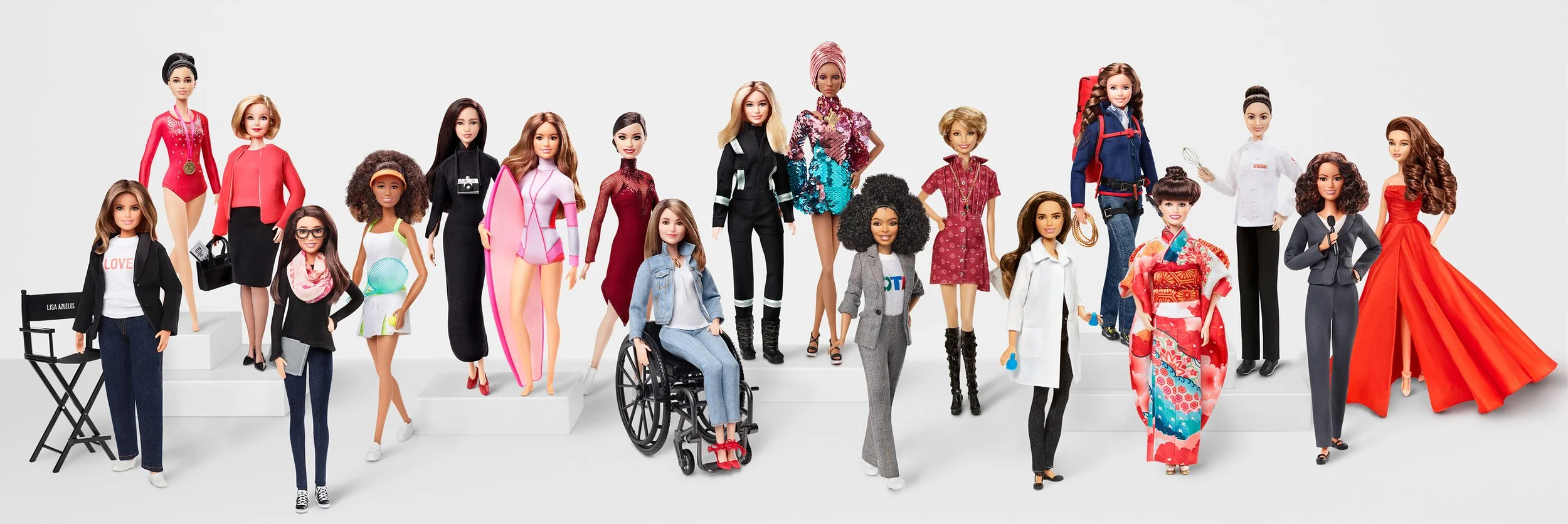
Mattel Inc. Role Models, 2019
Behind the comeback: Mattel’s larger Purpose transformation
It’s tempting to read Barbie’s resurgence as a triumph of branding alone. A clearer brand Purpose, better storytelling, stronger partnerships, a culturally fluent movie – case closed. But that reading misses the deeper lesson. Barbie’s comeback emerged because the organization behind it did the work of aligning leadership, culture, and innovation around a shared sense of organizational Purpose at Mattel’s corporate level. And Barbie became a visible expression of that alignment.
To understand why Barbie could reclaim meaning, differentiation, and salience at such scale, we need to rewind the story further, to before the Barbie Role Models line, before the Dream Gap Project, before Warner Bros., to the moment when Mattel asked itself who it was and why it existed at all.
Leadership: discovering Purpose as one of the most fundamental leadership jobs
In the mid-2010s, Mattel was under pressure from every direction: declining performance, loss of key licenses, changing consumer behavior, and growing cultural scrutiny of legacy brands. Incremental fixes wouldn’t be enough. What was needed was a new sense of clarity and direction about the company’s role in the world, not just its next move in the market. Just as with the discovery of Barbie’s brand Purpose that followed later, Mattel’s senior leadership began the exploration at the corporate level with the foundational questions of Purpose discovery: What does the world need now? What are our unique superpowers as an organization? Where do these overlap, pointing us to where we can create value that others can’t?
Rather than an abstract exercise, this was a disciplined exploration of Mattel’s heritage, capabilities, and societal relevance. Step one was clarifying the company’s superpowers: its deep understanding of play, its unmatched portfolio of iconic brands, its creative talent, and its global reach. In answering the question of what the world needs, Mattel realized that Purposeful play can help equip kids with the most universal 21st-century skills, also known as the “4Cs”: creativity, critical thinking, collaboration, and communication. Popularized by the Partnership for 21st Century Learning (a coalition between the U.S. Department of Education, various researchers, and school systems), and long championed by educators, the 4Cs have become a widely accepted shorthand for the human capabilities needed to thrive in an increasingly complex, automated, and interconnected world.
While many factors drive excellence across the 4Cs, a wide body of research shows that learning through play is strongly associated with children’s cognitive and social development, including problem-solving, language use, imagination, cooperation, and perspective-taking, all foundational elements of creativity, critical thinking, collaboration, and communication.
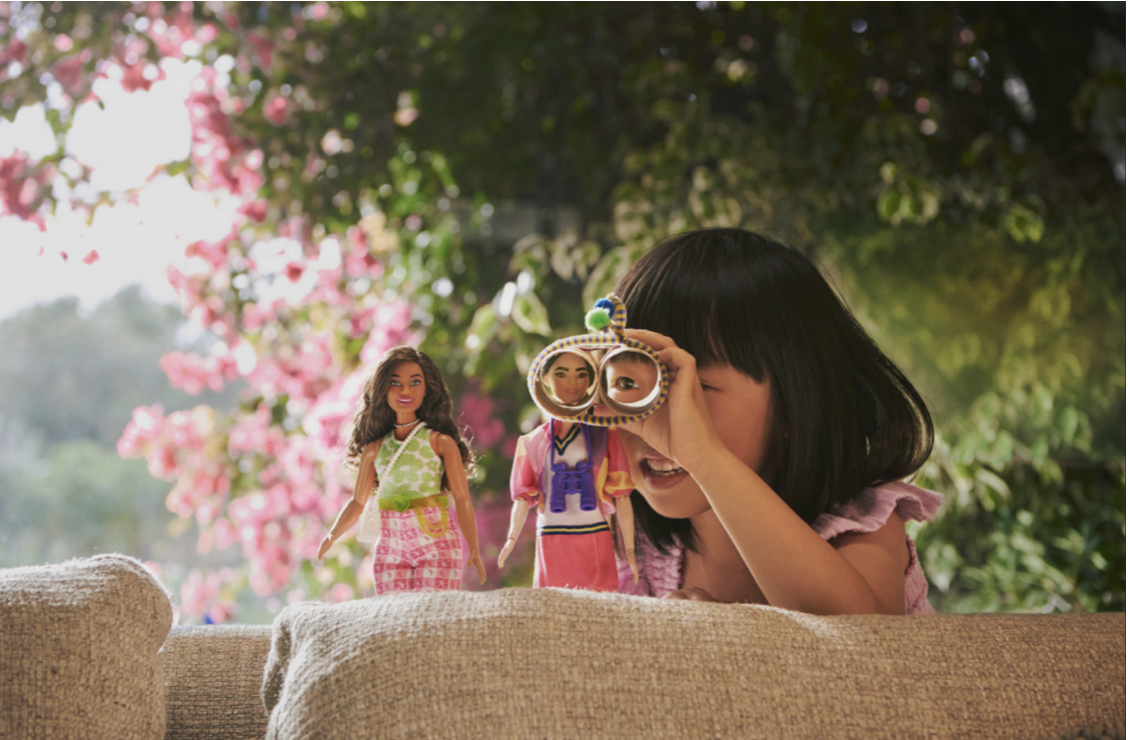
Mattel Inc. Barbie campaign, 2024
This insight reframed Mattel’s identity. It wasn’t just a toy company, it was also in the business of play with Purpose: play as a catalyst for creativity, problem-solving, collaboration, and confidence during the most formative years of life. This led to the articulation of Mattel’s corporate Purpose: We empower generations to explore the wonder of childhood and reach their full potential.
That clarity mattered because it gave leadership a unifying north star. It allowed Mattel to maximize coherence across its brand portfolio, giving each brand a distinct role to play in service of a shared ambition. Barbie’s Purpose did not exist in isolation; it nested within this larger corporate intent. The brand’s focus on inspiring the limitless potential in every girl was a logical expression of Mattel’s broader reason for being.
Without that deep alignment, Barbie’s reinvention could have remained fragile, vulnerable to leadership changes, market pressure, or the next quarterly cycle. The brand now had permission to think long-term, act boldly, and invest in credibility before amplification. Leadership created the conditions under which Barbie could become meaningful again.
Culture: turning Purpose into belief and behaviors inside the organization
To realize Mattel’s transformation, and Barbie’s transformation alongside it, thousands of people across the organization had to internalize Mattel’s new Purpose story and see their roles in it. That’s where culture came in. If leadership defines why an organization exists, organizational culture determines whether that “why” actually shows up in daily decisions and behaviors. Mattel understood that Purpose-led brands cannot be built by teams who don’t feel aligned, empowered, or inspired themselves.
At the heart of Mattel’s corporate Purpose sits a powerful idea: wonder. In a childhood context, wonder is not naïveté or escapism; it is the emotional and cognitive state that fuels curiosity, imagination, openness, experimentation, and the confidence to explore what might be possible. Wonder is what allows children to ask “what if?” and “why not”?; to stay open rather than fixed; and to learn through exploration rather than instruction. In other words, wonder is an important condition that enables growth in kids.
This insight also shaped how Mattel brought its corporate Purpose to life internally. The company realized that the wonder it aimed to unlock in children had to first exist inside the organization. And to deliver growth in a business context, it also had to be grounded in clear expectations and accountability. Wonder had to be productive, not abstract. For creativity to translate into commercial impact, curiosity must be paired with discipline, and exploration must be balanced with follow-through. The kind of wonder that could help the organization perform needed to be supported by structure, accountability, and a shared commitment to excellence.

Author’s own
To achieve this balance, Mattel articulated a new set of values, captured in the acronym WONDER*, that defined how the organization would think and act going forward:
W: What If – Why Not?
O: One Team
N: Nimble
D: Driven
E: Entrepreneurial
R: Respectful
Importantly, the WONDER values deliberately combined expansive and grounding forces. Curiosity (“What if? Why not?”) sat alongside performance (“Driven”). Exploration was matched with accountability (“Entrepreneurial”) . Agility (“Nimble”) was anchored in collaboration and respect (“Respectful”). In this way, Mattel integrated rigor into wonder without diluting its magic, ensuring that imagination led to action, and ideas led to results.
Rather than being treated as abstract ideals, the Wonder values were translated into clear, observable leadership behaviors, defined across levels of responsibility. Wonder became not just a mindset, but a way of working.
This cultural shift mattered for Barbie in very practical ways. Successfully reimagining a brand and bringing it back to the center of cultural conversation requires an environment where people feel encouraged to explore and question, while also feeling responsible for delivering outcomes. Teams needed permission to revisit long-held assumptions and test new paths, while maintaining a sense of focus and momentum. Without a culture that balanced openness with ownership, Barbie’s renewal could have stalled at the first sign of uncertainty.

Image: 100YEARS
A shared element across Mattel’s Purpose and its values, wonder became the connective tissue between why the company exists and how it performs every day – turning Purpose into lived behavior inside the organization that ultimately brought Barbie back to the center of culture.
And Mattel went further than values articulation. The company redesigned its end-to-end employee experience to reinforce Purpose and values at every touchpoint: how people were hired, onboarded, developed, evaluated, recognized, and communicated with. Purpose was made visible through leadership summits, global town halls, internal storytelling platforms, learning programs, and even the physical design of workspaces. Employees weren’t asked to memorize a Purpose statement; they were invited into a shared narrative about why their work mattered.
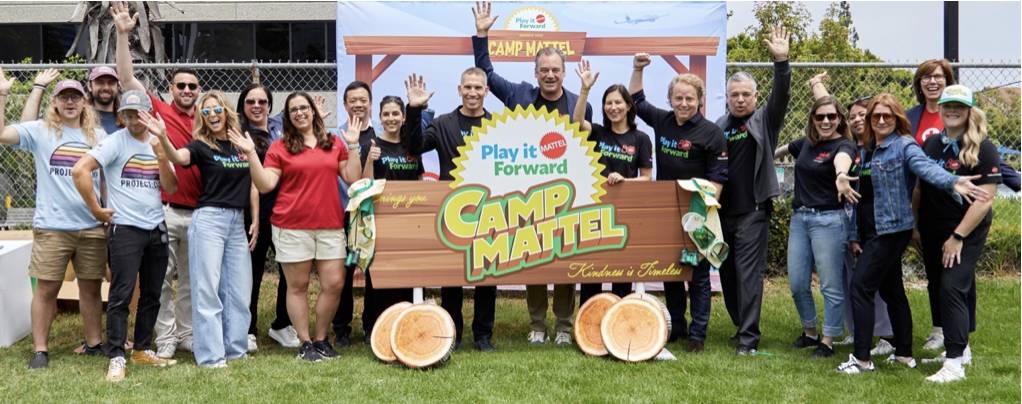
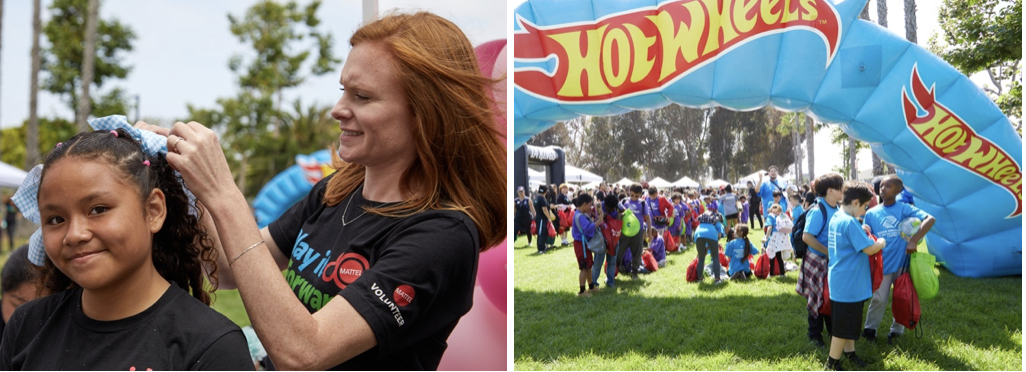
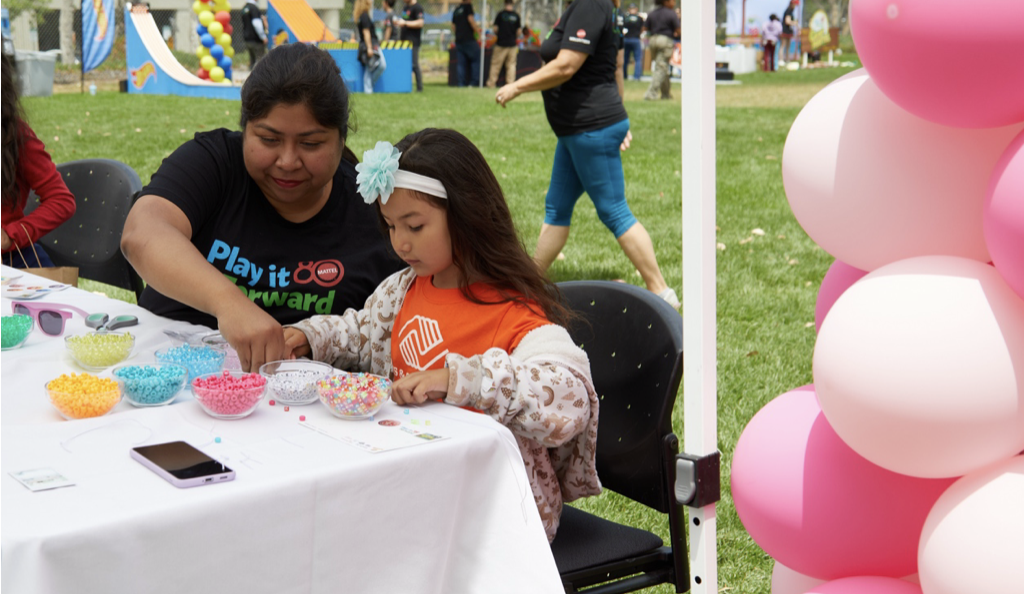
Mattel Inc. Day of Play, 2025
This cultural shift was essential to Barbie’s success for a simple reason: brands cannot convincingly stand for something externally that the organization does not believe internally. When Barbie began to talk about confidence, potential, and inclusion, it wasn’t coming from a disconnected brand team. It was emerging from a company that had already begun to model those values in how it led, collaborated, and made decisions.
Innovation: from corporate Purpose to brand proof points
With leadership alignment and cultural momentum in place, Mattel could turn to the next critical question: how does Purpose show up in the real world? This is where innovation entered the picture, not as novelty, but as proof. For Barbie, Purpose demanded a fundamental shift in how innovation was defined. The question was no longer “what new products can we launch?” but “what would it take to truly deliver on the promise of inspiring the limitless potential in every girl?”
The answer required moving beyond surface-level updates and into more foundational change. Barbie’s product portfolio began to evolve in ways that made the brand’s intent tangible. New body types, skin tones, and hairstyles challenged decades of narrow representation. Dolls reflecting different abilities and conditions, including a Barbie with Down syndrome, sent a clear signal that Purpose was not a slogan but a design principle. The Role Models line extended this logic further, turning real-world role models into playable proof points. Girls weren’t just being told they could be anything, they were also being shown how that looked, across careers, cultures, and life paths.
Innovation also expanded beyond physical products. Barbie increasingly showed up as a Purpose-led brand ecosystem, spanning content, entertainment, partnerships, and experiences. The collaborations with entertainment brands such as Netflix created new narrative formats. Partnerships with cultural figures reinforced relevance and credibility. Each innovation choice reinforced the same underlying idea: Barbie exists to expand what girls believe is possible.
What’s important here is not the individual initiatives, but the pattern. Innovation followed Purpose, modeled by leadership, and fanned by culture, not the other way around. And because it did, every new product or partnership reinforced brand meaning instead of diluting it. By the time Barbie began to articulate her Purpose more explicitly through consumer-facing platforms such asThe Dream Gap Project, the brand already had years of action behind it. Words were no longer aspirational, they were explanatory.
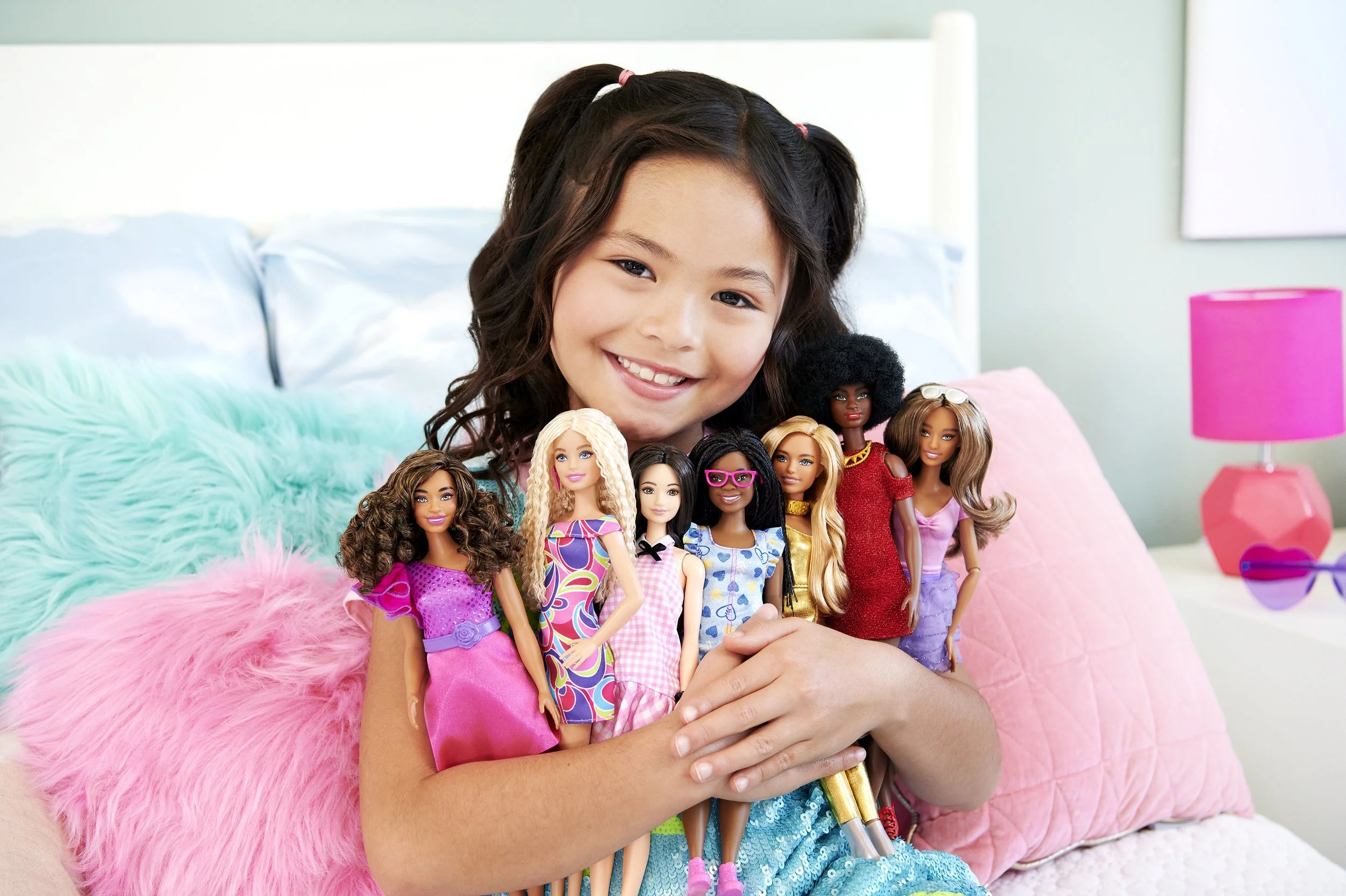
Mattel Inc. Barbie International Women’s Day 2024, Fashionistas
Why brand power was the ultimate outcome
Barbie’s brand resurgence confirms the holistic Purposeful Growth view that we promote in this book, spanning leadership, culture, innovation, and brand. Meaning didn’t emerge because the brand team found a better message. Differentiation wasn’t just driven by a sober competitive analysis. And salience didn’t explode because of a lucky movie deal. Each of those outcomes was enabled upstream:
Leadership created clarity about why Mattel, and Barbie, existed, establishing a shared understanding of what truly mattered. From there, culture built the belief system and behaviors that allowed bold change to take root across the organization. Innovation then provided tangible proof that Purpose was not a slogan, but real and enduring. Only with those foundations in place could the brand do what brand does best: turn meaning into commercial momentum and new growth.
If anything sparks your interest in this or the following articles, please do email philipp@purposefulgrowth.co
*Mattel’s values have since changed to reflect the most recent iteration of their strategy