Case Study: sephora - How inclusive growth opened markets no competitor could see
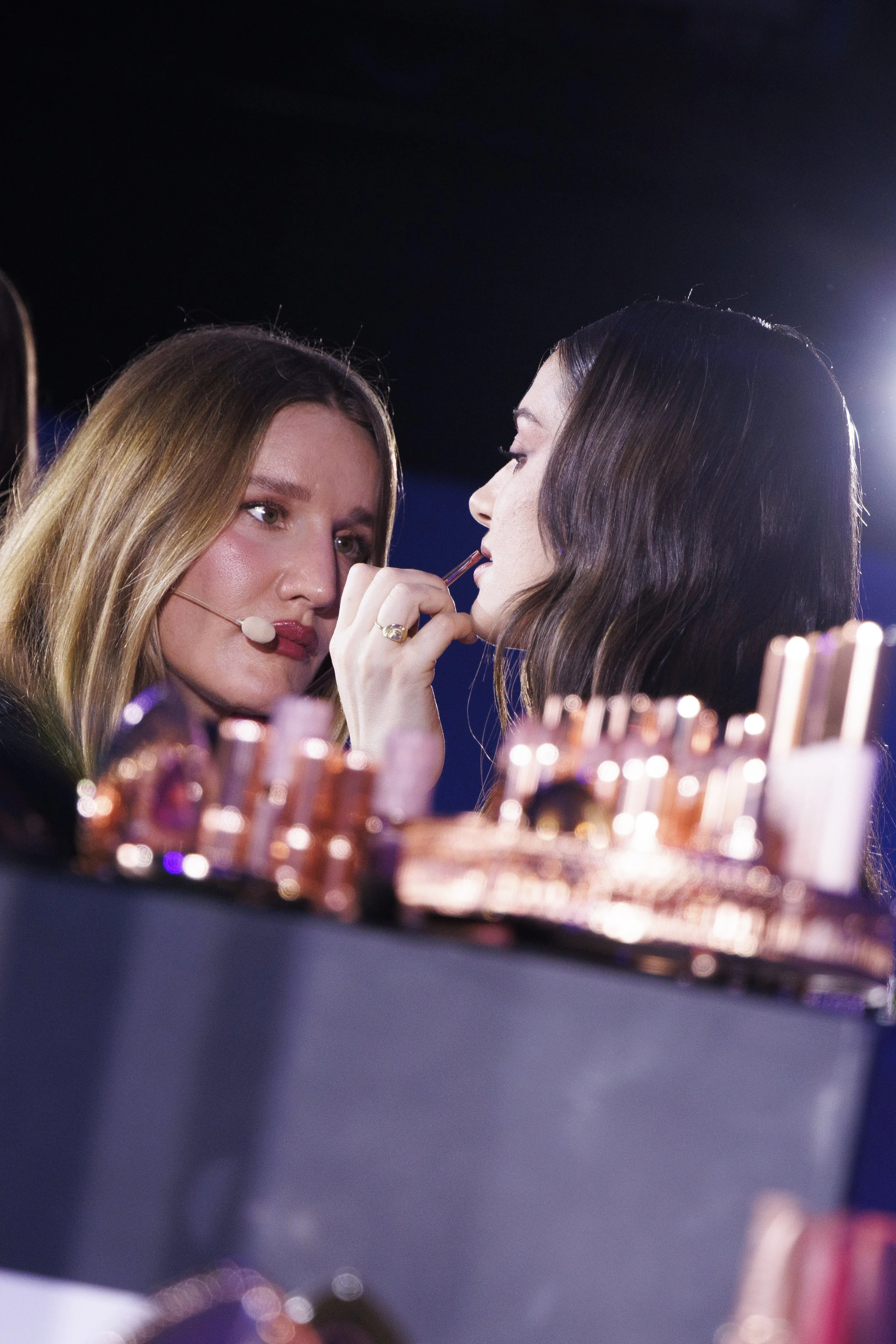
Photo by Rosdiana Ciaravolo/Getty Images / Sephoria masterclass, Milan 2025
Sephora is a major success story however you look at the company, and especially through the lens of Purposeful Growth. In the last few years, Sephora has delivered strong global revenue growth, with sales reported at around $16 billion in 2024, nearly doubling since the COVID-19 pandemic and far outpacing the broader market. In a 2025 industry keynote looking back, Sephora CEO Guillaume Motte shared that sales growth was notably strong across regions that year demonstrating the company’s strength in a complicated global climate: North America, the brand’s largest market saw an uplift of +9%; Europe, +21%; Latin America, +39%; and the Middle East, +22%.
When then asked about Sephora’s success, Motte was quoted in Forbes, saying, “The financial numbers are the consequences [of what Sephora does]; we focus on sharing our passion and vision. At the starting point of my time as CEO, I wanted to very clearly identify our Purpose, and what our north star is. Inclusivity is at the heart of our vision – we are defined by what we stand for”.
Leading with Purpose: championing a world of inspiration and inclusion
For decades, the global beauty industry focused on selling products to people who sat neatly within a narrow definition of what is beautiful. Knowing there was an opportunity to expand the way the world sees beauty, and driven by ambitious financial goals, Sephora revisited its Purpose; an exercise that supercharged the company’s momentum to become the success story we see today.
Starting with Sephora’s unique superpowers – shared by Motte as curation, community, team, and exciting experiences – the company recognized the strengths that it could uniquely bring to the table. On the other side of the equation, when looking at what the world needs, the company also saw that millions of underserved consumers in communities across the globe didn’t have access to beauty products, services, and experiences. This presented a giant unmet need Sephora could very much deliver on, in line with its superpowers. And with that, Sephora’s Purpose emerged: “To champion a world of inspiration and inclusion where everyone can celebrate their beauty.” From this refreshed Purpose, “inspiration” and “inclusion” in beauty have become the twin engines behind the growth of the company’s internal culture, whilst driving innovation and enabling the brand to deliver new value.
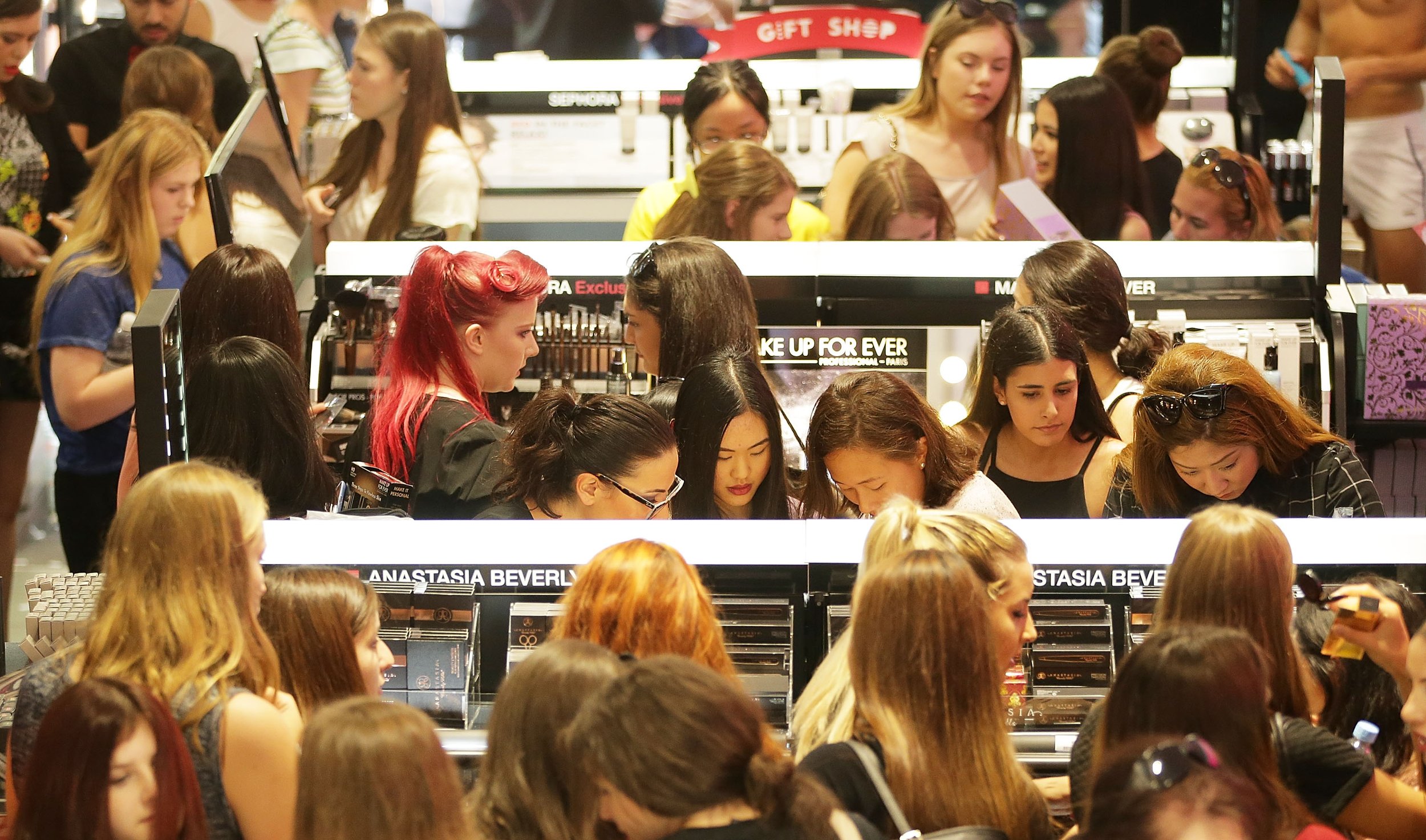
Sephora Sydney store. Mark Metcalfe/Getty Images.
Purposeful innovation, baked into Sephora’s DNA
Sephora has always had an instinct for inspiration and inclusion, innovating in response to what the world needs from day one. In the 1980s, founder Dominique Mandonnaud recognized that cosmetics were sold almost exclusively through closed department-store counters, where products sat behind glass and were controlled by sales associates. Customers had to ask permission to touch, test, or even see products up close – an experience that was, for some, intimidating. The shopping experience made it hard for both new and existing customers to discover new products. Mandonnaud believed this barrier likely suppressed curiosity, confidence, and ultimately sales.His breakthrough was the invention of “open-sell” beauty retail. Instead of locked counters, Mandonnaud designed stores where products were displayed openly, testers were freely available, prices were transparent, and customers were encouraged to explore at their own pace before engaging with staff. This flipped the power dynamic and made beauty more inclusive and inspirational as a result: shoppers were no longer dependent on gatekeepers to participate. When Sephora launched under his leadership in France in the early 1990s, this model fundamentally reframed cosmetics retail from a closed “sales” experience to one of open “self-discovery”.
Innovating with Purpose: what does the world actually need?
As explored earlier in the book, understanding real human truths is a critical ingredient for Purposeful Innovation. With Mandonnaud setting the tone early on, Sephora has consistently grounded innovation in a deep understanding of what people need, in order to feel beautiful. The company’s most impactful innovations have not begun with novelty for novelty’s sake, but with human insight, identifying unmet needs and applying the company’s distinctive superpowers to deliver on them.From curating the world’s most relevant beauty brands to building community and connection among customers and its retail Beauty Advisors (BAs), Sephora has created uniquely human in-store experiences, scaled across thousands of locations and millions of daily interactions. By shifting the question from “What more can we make?” to “What does the world actually need?,” Sephora unlocked a set of innovation opportunities that would go on to drive sustained Purposeful Growth.
Inclusive Growth: when Purpose unlocks new markets
As a result of the thinking developed through identifying the company’s Purpose, “To champion a world of inspiration and inclusion where everyone can celebrate their beauty,”it has become increasingly clear that inclusion in beauty represents a significant and largely untapped commercial growth opportunity. Instead of fighting competitors for the same pool of consumers at all times, the brand has identified opportunities to expand the entire global beauty market.
When thinking about inclusivity and inspiration at scale, with a view to increasing their addressable market, Sephora has had to deliver clear direction at a global level, whilst also giving markets flexibility to activate in a relevant way at a local level. Expanding access to beauty for Black consumers in the U.S., for example, would not translate directly into a similar opportunity in Thailand; nor would the needs of LGBTQIA+ communities in France mirror those in markets where queerness is illegal.
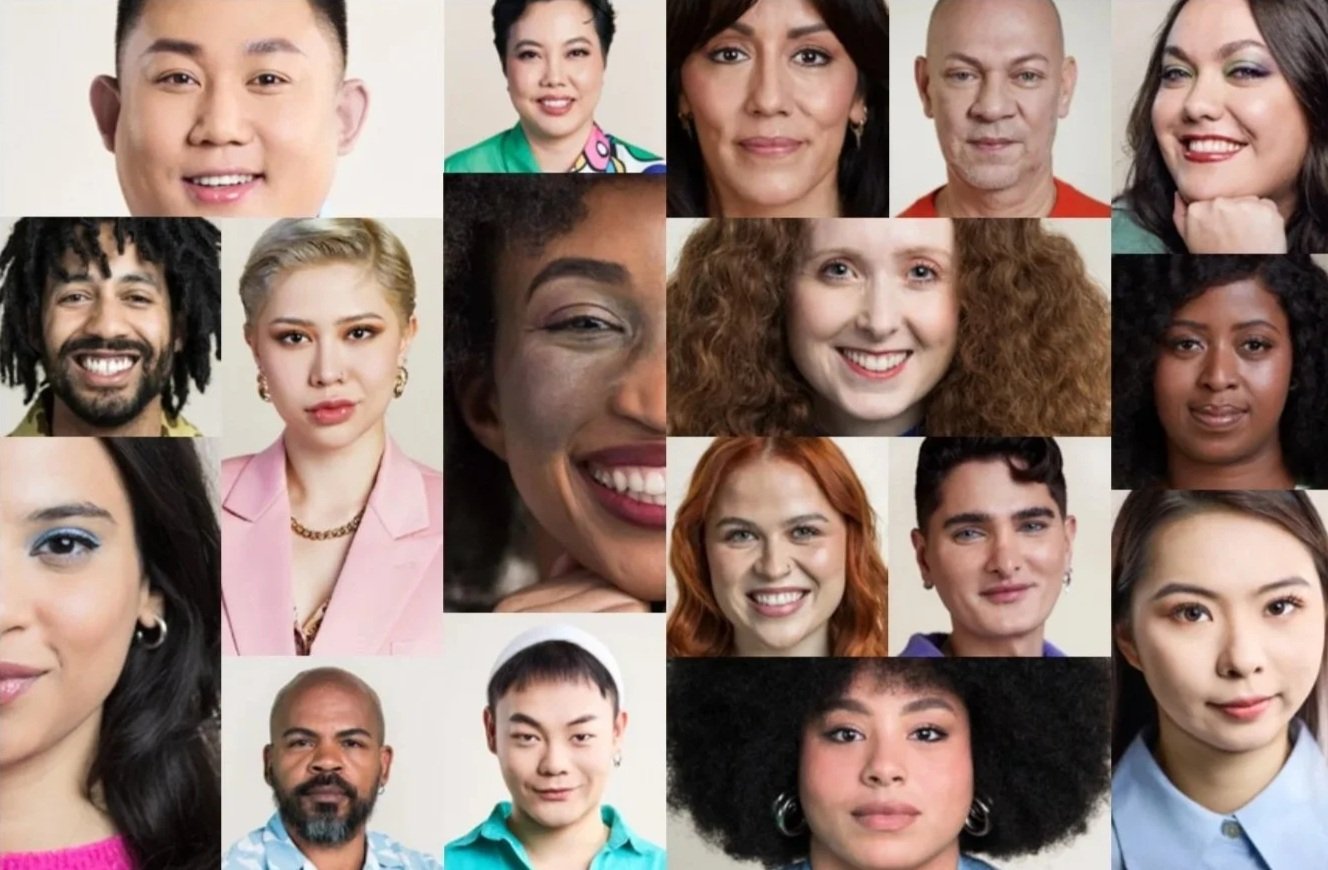
Sephora, Impact Report 2024
So questions like “What is the business case for inclusion in my market?” and “Which underserved groups should we prioritize?,” willhave been key, with local teams then designing their own solutions grounded in their own cultural, legal, and market realities. In doing so, Inclusive Growth as a strategy has become key - a systematic process of driving new growth, by identifying excluded consumer groups and designing products, services, and experiences around their unmet needs. Through this thinking, Sephora has been able to expand the total addressable market by redesigning products, experiences, and brand ecosystems to include more people.
A deeper understanding of the many underserved markets has fueled a number of global initiatives in recent years. Of note, Sephora has done a significant amount of work to better serve neurodivergent and LGBTQIA communities:
Serving Neurodivergent communities globally
Neurodiversity is the concept that natural variations in human brains, like different ways of thinking, learning, and processing information, are normal and valuable. According to the Neurodivergent Alliance, neurodivergent people make up 15–20% of the population, rising to around 50% within the professional beauty industry, as reported by Vagaro in 2024. Sephora’s own research has shown that neurodivergent customers and retail employees struggle with loud music, bright lights, busy screens, and scent build-up in stores. In response, Sephora has introduced sensory-friendly initiatives such as Quiet Hours, creating calmer environments that welcome more people into beauty, and extending access well beyond the neurodivergent community alone. Having piloted in the UK, Brazil and six other markets with great success - and with a plan to roll out globally across 30+ markets quickly - the company is the first global beauty retailer to evolve the in store experience in this way.
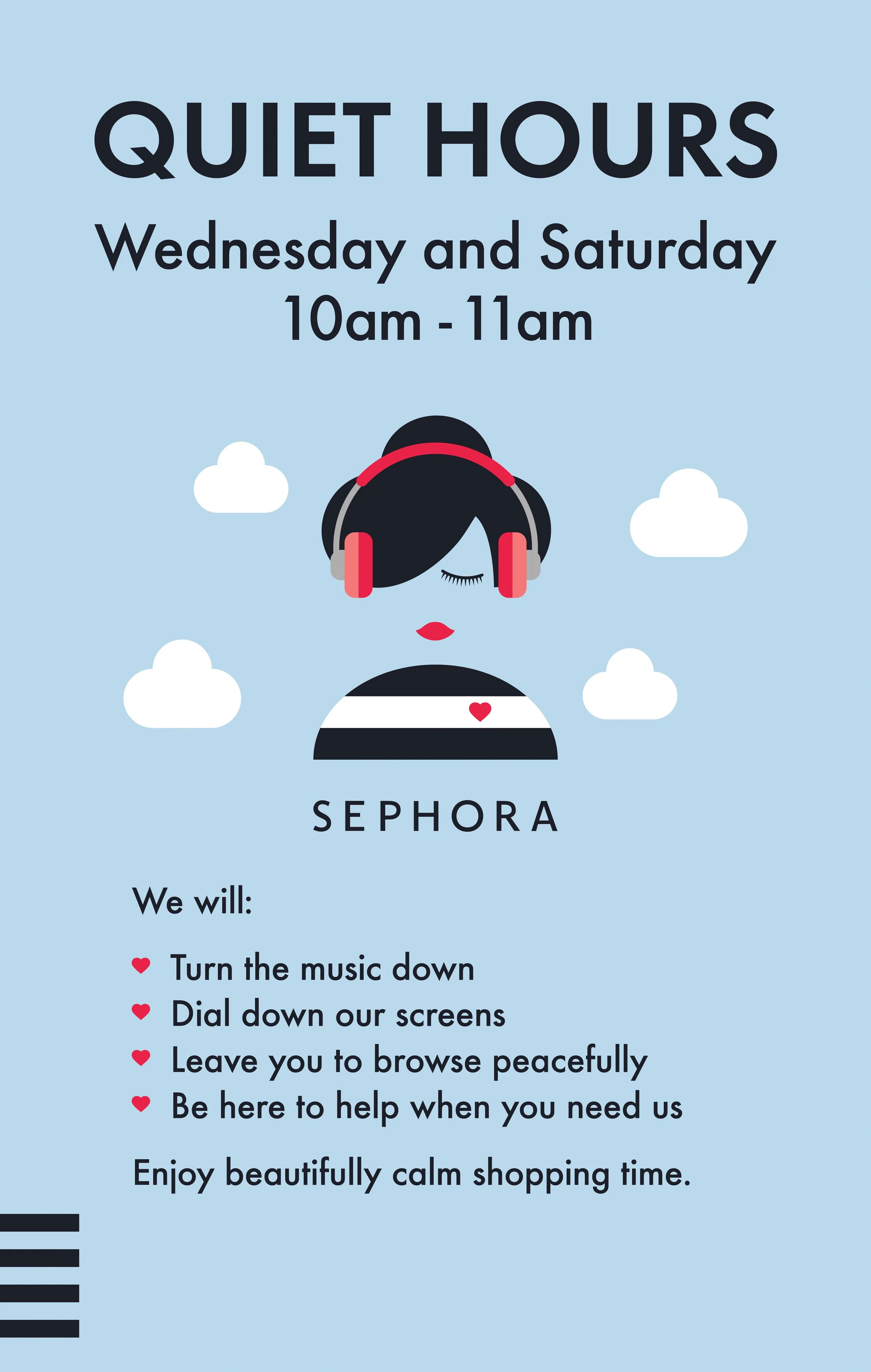
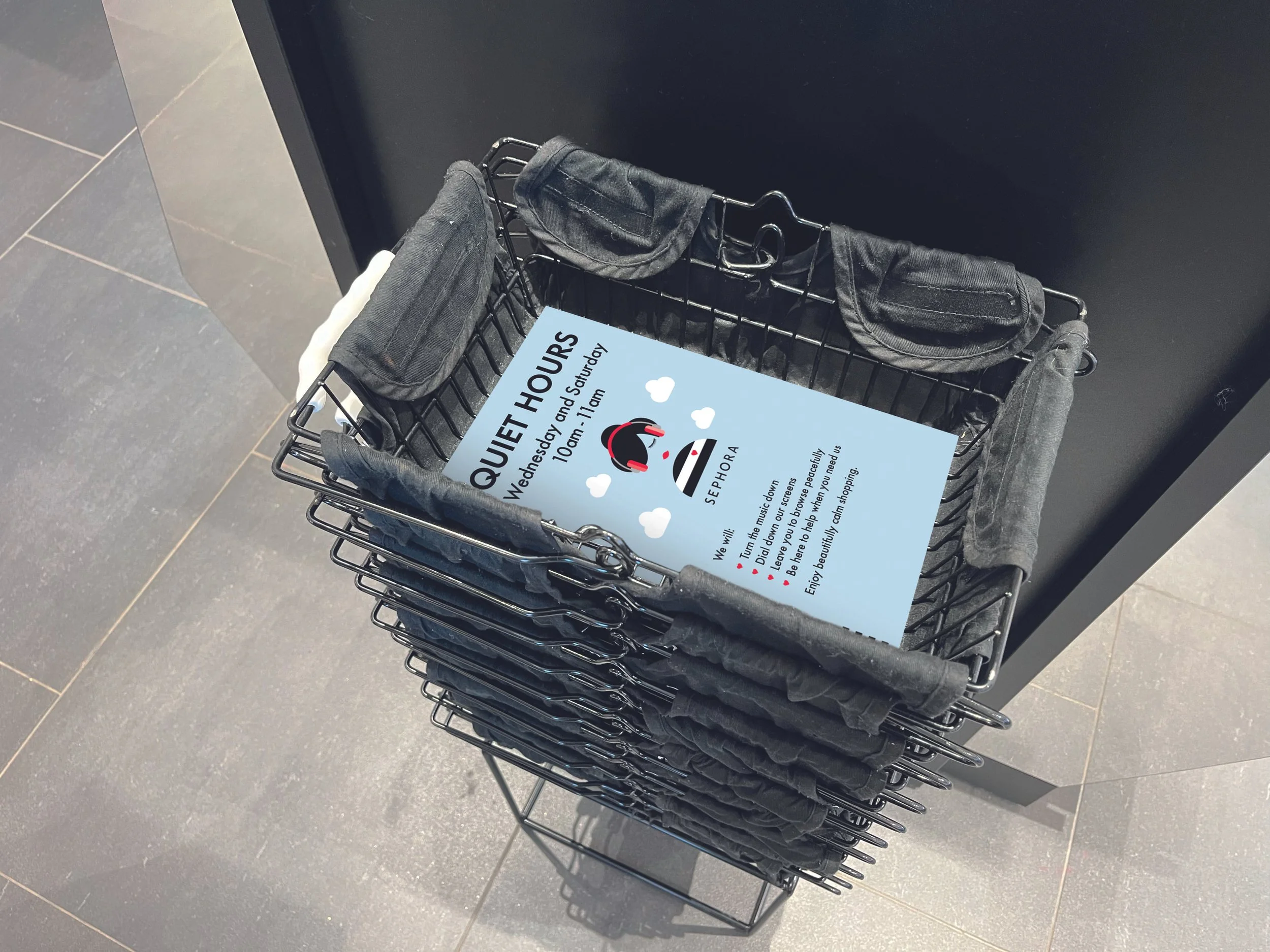
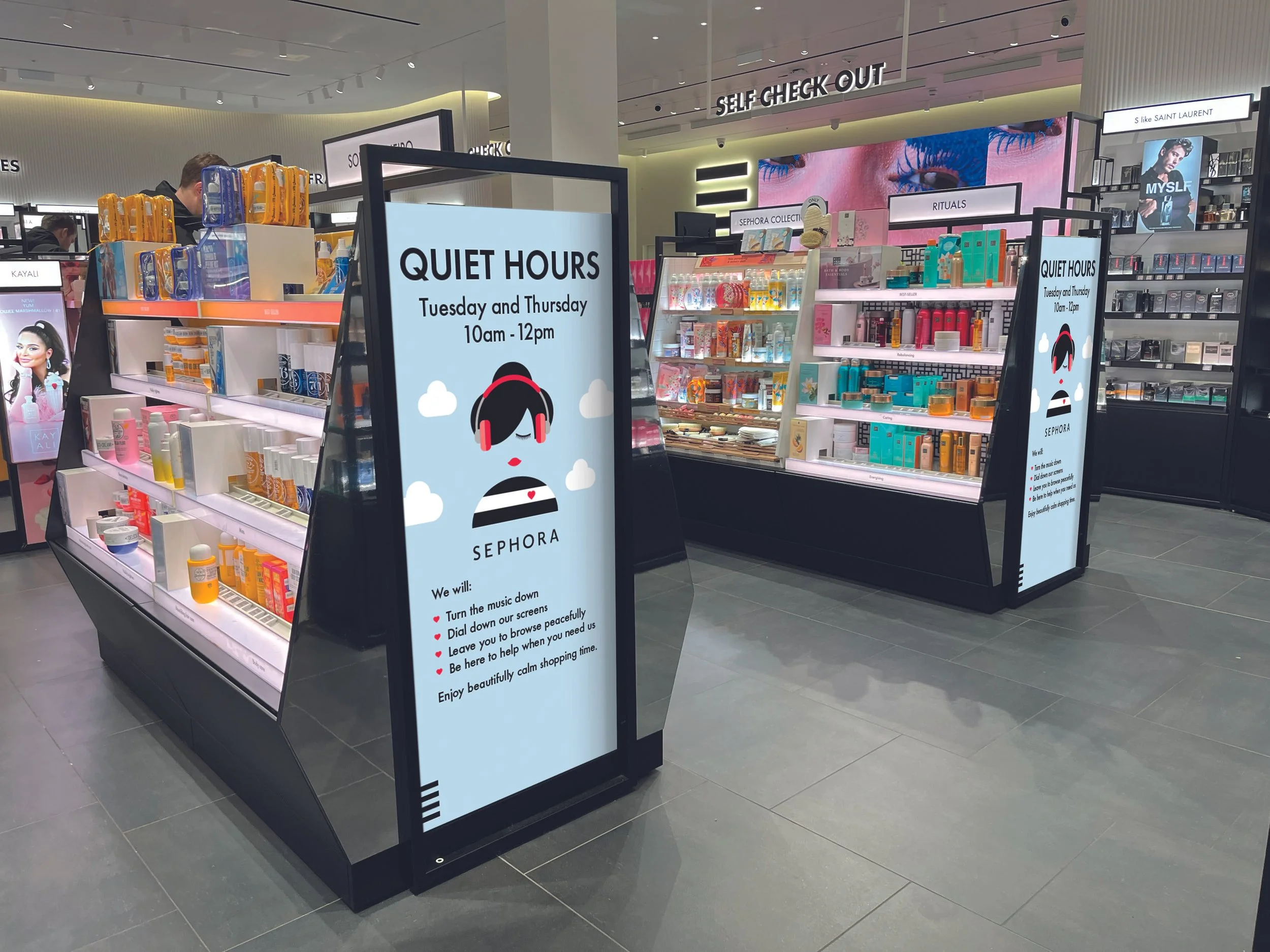
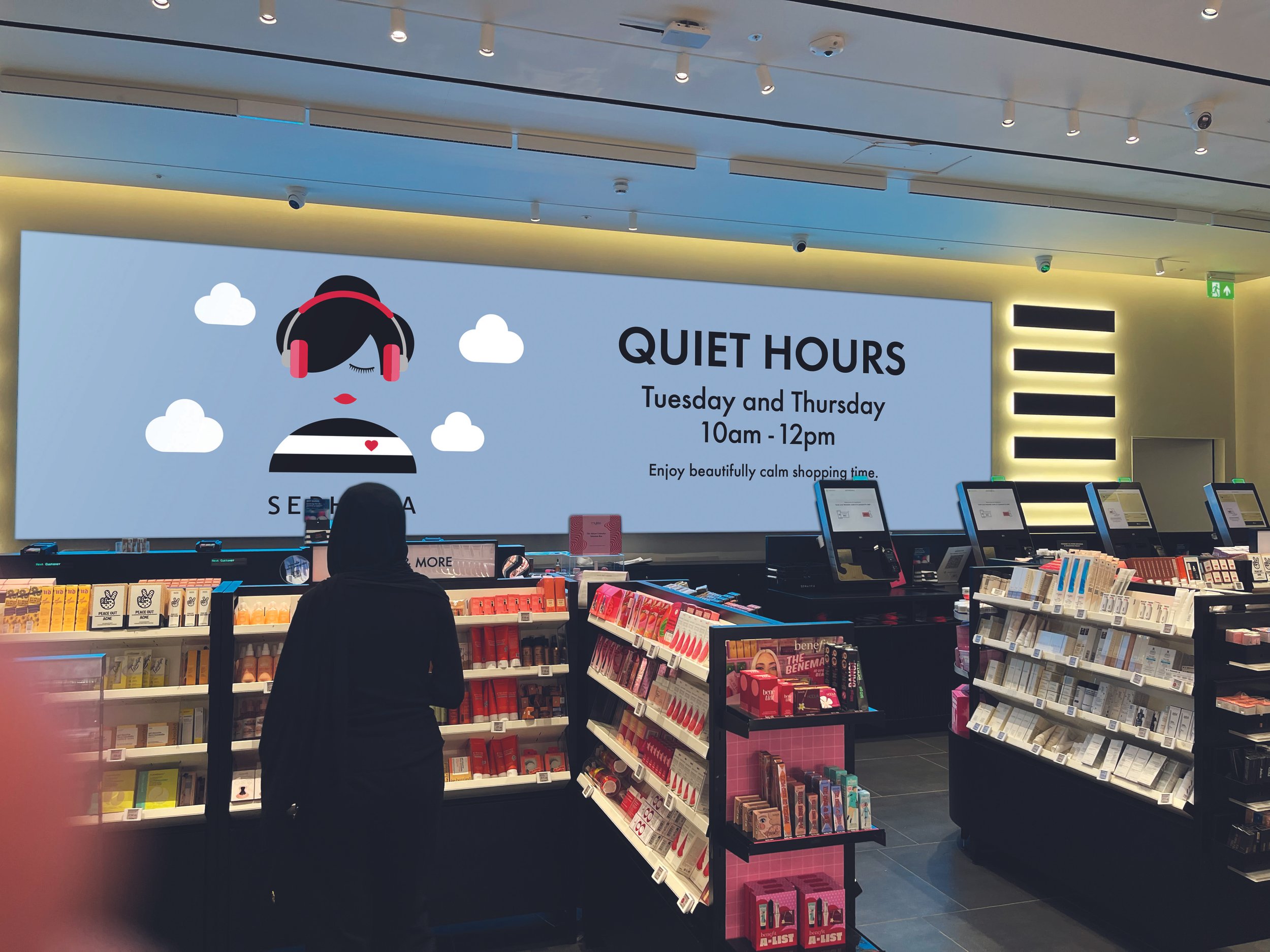
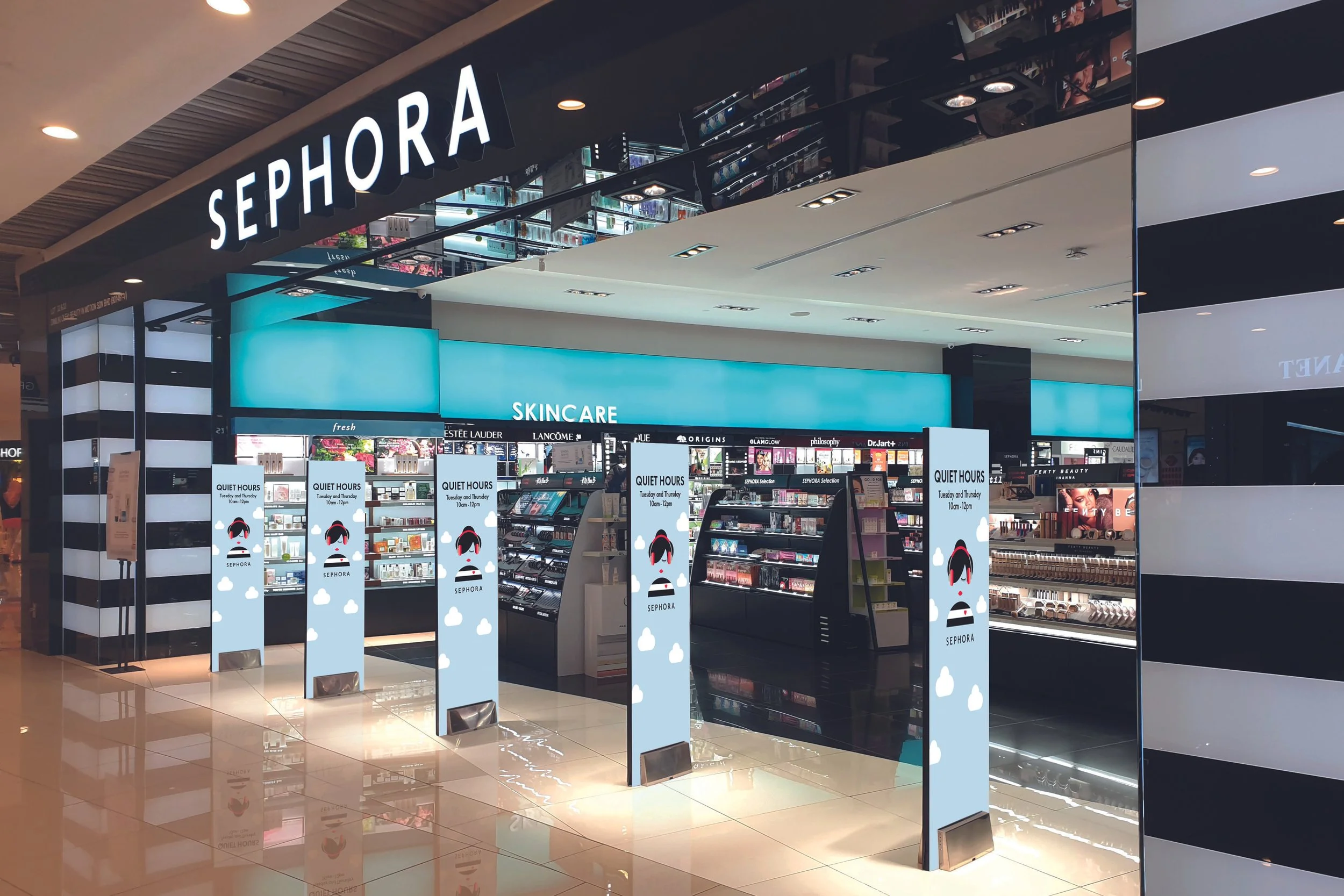
Quiet Hours, 2025, from Sephora / Start Design concepts.
LGBTQIA+ communities globally
Sephora has also been visibly supportive of LGBTQIA+ communities for years, by treating inclusion as a long-term commitment rather than a seasonal Pride campaign. A key insight for the brand was that inclusion for LGBTQIA+ customers isn’t only about representation, or even product – it’s also about whether the store environment feels emotionally safe.This has led to global programs such as Classes for Confidence, helping Queer people express themselves with a free 90-minute beauty class in store, and Brave Spaces, offering the LGBTQIA+ community free 15-minute Pride makeup looks, and removal after the parade (if needed to feel safe traveling home). Brave Spaces began as a pilot in 2023 in a small number of stores and scaled quickly to 180 stores, in all parts of the globe. The initiative scaled across 21 markets soon after - from Poland, to the US, from Australia to Mexico - with the 2025 roll-out further strengthened by a brand partnership & campaign with Lady Gaga’s Haus Labs.
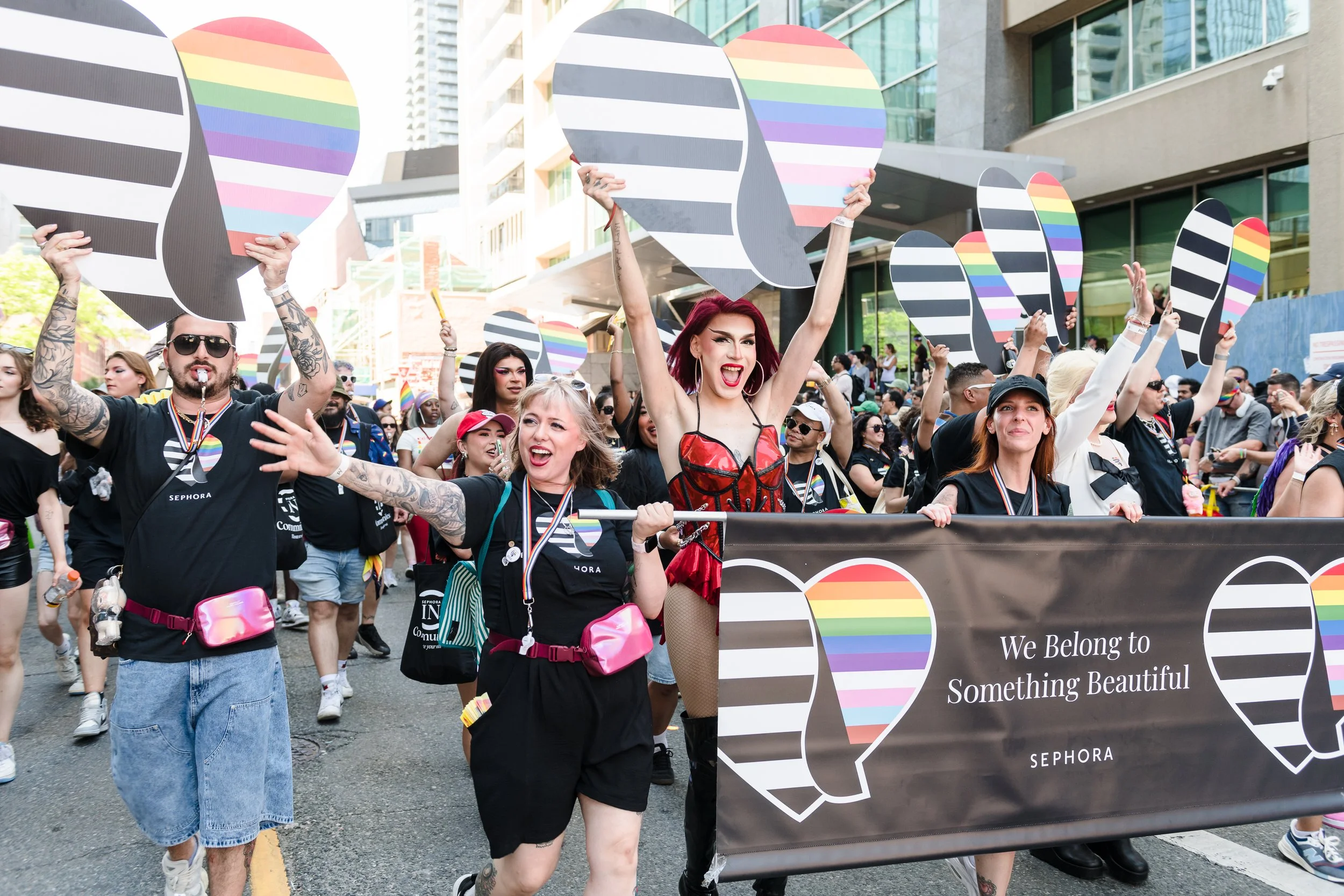
Toronto Pride. Harold Feng/Getty Images.
Experiences beyond product: expanding Inclusive Growth into new formats
Building on these Inclusive Growth strategies, Sephora has invested in experiences that expanded beyond the product it offers, most notably through Sephoria. Now well-known as Sephora’s annual marquee beauty event, Sephoria operates as a festival-like celebration across global cities such as Dubai, Paris, and Los Angeles, I complemented by virtual and metaverse components to extend access.
Through masterclasses, hands-on brand experiences, exclusive gifts, and immersive activations, Sephoria brings Sephora’s Purpose to life in a format that competitors - especially online only retailers - cannot replicate. By deepening emotional connection and community, Sephora has expanded Inclusive Growth into experiential formats that drive both immediate engagement and long-term loyalty in an increasingly commoditized category.
Sustainability: ensuring growth does not come at the planet’s expense
As Sephora expanded access and participation in beauty, sustainability has become a critical guardrail, ensuring that new growth would not come at the expense of the planet. Embedded into customer behavior and system design, Sephora’s sustainability efforts range from recycling and take-back programs to clearer sustainability labeling and stricter supplier standards.
In 2024, this ambition was further advanced through the launch of Clean at Sephora and Planet Aware at Sephora, which recognize brands meeting high standards for clean ingredients and sustainability commitments. At the time, out of the roughly 500 brands Sephora carried, 130 qualified for Clean at Sephora and 40 for Planet Aware. By leveraging its curation power and scale, Sephora not only responded to rising client expectations, but also mobilized the wider beauty ecosystem to innovate toward more sustainable solutions.
What makes Sephora’s innovation distinct
Notably, across all these examples, Sephora hasn’t treated Purpose as a filter applied after innovation. It hasn’t been a messaging exercise layered on once ideas were complete. Rather, Purpose has functioned as the central springboard for innovation and changed the questions teams asked:
From “What products will sell?” to “Who is excluded, and how do we design them into our world?”
From “How do we increase basket size?” alone to “How do we create more baskets?”
From “How do we grow faster?” to “How do we grow with maximum positive impact?”
By championing a world where everyone can celebrate their beauty, Sephora hasn’t limited its ambition, it expanded it. Purpose has provided the clarity, meaning, and focus that turned inclusion into one of the most powerful engines of ongoing, differentiated growth.
Culture: Creating a Purposeful Culture through shared belonging
One of Sephora’s biggest assets is its Beauty Advisors (BAs). They made up 84% of Sephora employees, as reported in the company’s 2024 impact report.
They’re a major part of what makes the retail experience so special since they are the human connection to Sephora’s customers. The brand works hard to foster a meaningful work environment with this group of people and beyond, with around 84% of Sephora employees agreeing in 2024 that “the work that I do at Sephora is meaningful to me.”
So what makes a culture where so many colleagues find meaning in their work and create customer experiences that matter?
Sephora’s Purpose created an opportunity to reframe the BA role; from merely “selling products” to helping clients express identity, confidence, and self-belief, contributing to a world of inspiration and inclusion where everyone’s beauty is celebrated. This reframing has been powerful. BAs are positioned as trusted guides in self-expression, not as merely as salespeople. What makes their work feel uniquely meaningful is helping people feel seen and included, instilling confidence in clients during vulnerable moments (e.g. acne, aging, gender expression), and ultimately being part of a client’s personal transformation, not just the person who facilitates a sale. That sense of Purpose and human impact is foundational to the motivation of internal teams across the world.
BAs are the most important link between Sephora’s Purpose and the store experience, so Sephora invests heavily in training, fostering pride through a continuous learning culture, including Sephora University and other digital learning platforms, ongoing product education, skin science, ingredient literacy, and application techniques. Beyond this, Sephora also offers inclusivity and bias-aware training in a number of markets to ensure the customer experience delivers on its Purpose, from inclusive shade-matching across all skin tones to gender-inclusive language and consultation styles. From training on serving people from underserved genders to cultural sensitivity around beauty norms. And, of course, with deep dives into topics such as helping neurodivergent customers experience Quiet Hours in store.
In other words, BAs aren’t just trained on products, they’re also trained on people. This makes the work feel Purposeful, socially relevant, and values-driven, reinforced by a sense of mastery and respect for their contributions.
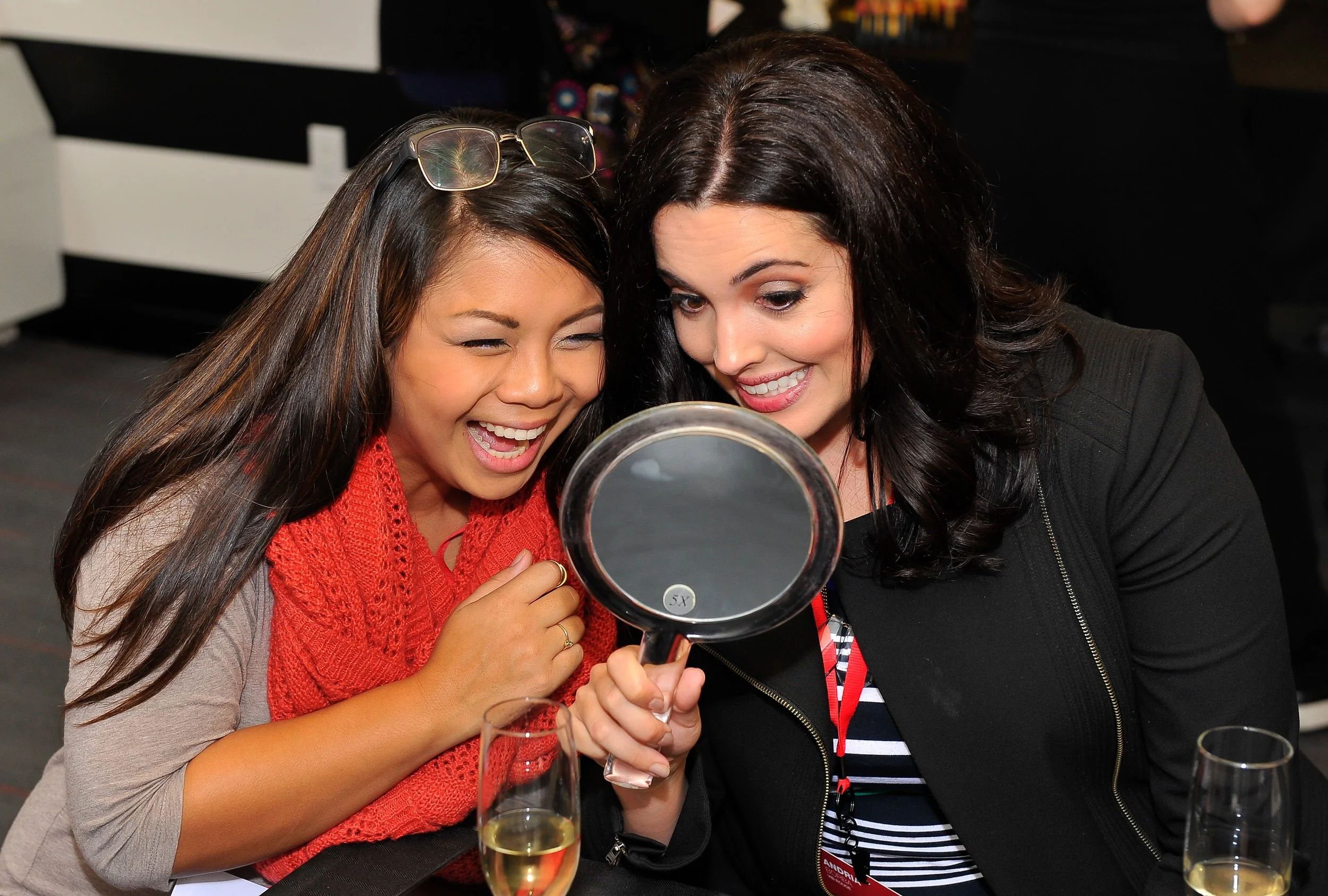
Sephora University, San Francisco, Steve Jennings/Getty Images for Sephora.
Sephora’s Purpose actively shapes the conditions under which BAs work, starting with authentic self-expression. BAs in the USA are encouraged to wear bold makeup, minimal makeup, or none at all; tattoos, hair color, and personal style are also generally welcomed. Individuality is framed as an asset, not a risk.
This alignment between personal identity and professional role is a major source of meaning – employees don’t have to “leave their true selves at the door.” Inclusion and inspiration are further supported by Employee Resource Groups in the US, and Inclusion Councils in a number of other markets, with open conversations around identity, wellbeing, and inclusion, and a focus on belonging and respect. Sephora understands that when people feel belonging and are celebrated for who they are, work becomes a place where they can connect to each other, not merely a transactional experience.
In sum, Sephora’s Purpose has been a major driver of its culture, enabling it to deliver on its ambition for inclusive, Purposeful Growth, by meaningfully inspiring and empowering the people at the center of its customer experience: its global community of BAs.
Creating Brand Power through inclusion and inspiration
With Purposeful leadership, an inspired culture, and innovative Inclusive Growth programs in place, the raw material for powerful storytelling already existed within the organization. This made the role of the brand clear: to shape and amplify Purpose-led innovation into distinctive, emotionally resonant stories, building brand meaning, sharpening differentiation, and earning salience in the moments that mattered most.
Brand meaning from inspirational and inclusive storytelling
A compelling example of this at a global level, Sephora launched the 2025 Beauty & Belonging film, an acclaimed Sundance-recognized project featuring 75 Sephora employees from around the world, sharing personal stories about identity, self-expression, and what beauty means in their lives. The film celebrated the beauty of all participants and reframed the narrative of beauty not as an aesthetic standard, but as a deeply human and inclusive experience shaped by culture, gender, ability, heritage, and confidence. Through marketing like this, the brand has built meaning and integrity, time and time again, telling stories of inspiration and inclusion through the voices of employees. This is also true for Sephora Life, developed by the US market: a multi-platform storytelling ecosystem across YouTube, TikTok, and Instagram, dedicated to amplifying the voices of Sephora employees. The content is designed not just in support of Sephora as an employer brand, but also for Sephora’s clients who want to know more about the ins and outs of beauty behind the scenes of the world’s leading beauty retailer. Rather than polished brand spokespeople or celebrities telling the Sephora story, Sephora Life features real stories from real employees, inspiring each other and the outside world: from makeup artists and store managers to creatives, working parents, and LGBTQIA+ team members. All types of people, all sharing how they feel included and a sense of belonging in the world of beauty.
Sephora brand film. Beauty and Belonging, 2025
Differentiation through Cultural Curation
Complementing the inside-out storytelling outlined above, Sephora’s celebrity-owned product collaborations have had an outsized impact on its Brand Power. Rather than chasing every trend or creator indiscriminately, Sephora has leaned into its superpowers again, acting as a trusted curator to truly differentiate. By using scale, data, and cultural fluency, it has selectively launched and elevated inclusive and inspirational brands such as Rare Beauty, Fenty and Rhode into breakout moments, while maintaining ever important editorial authority. Centered around Sephora’s Purpose, this curatorial power and celebrity clout, combined with immersive retail, exclusive launches, and aforementioned experiences such as Sephoria, has created an ownable brand ecosystem competitors struggle to match.
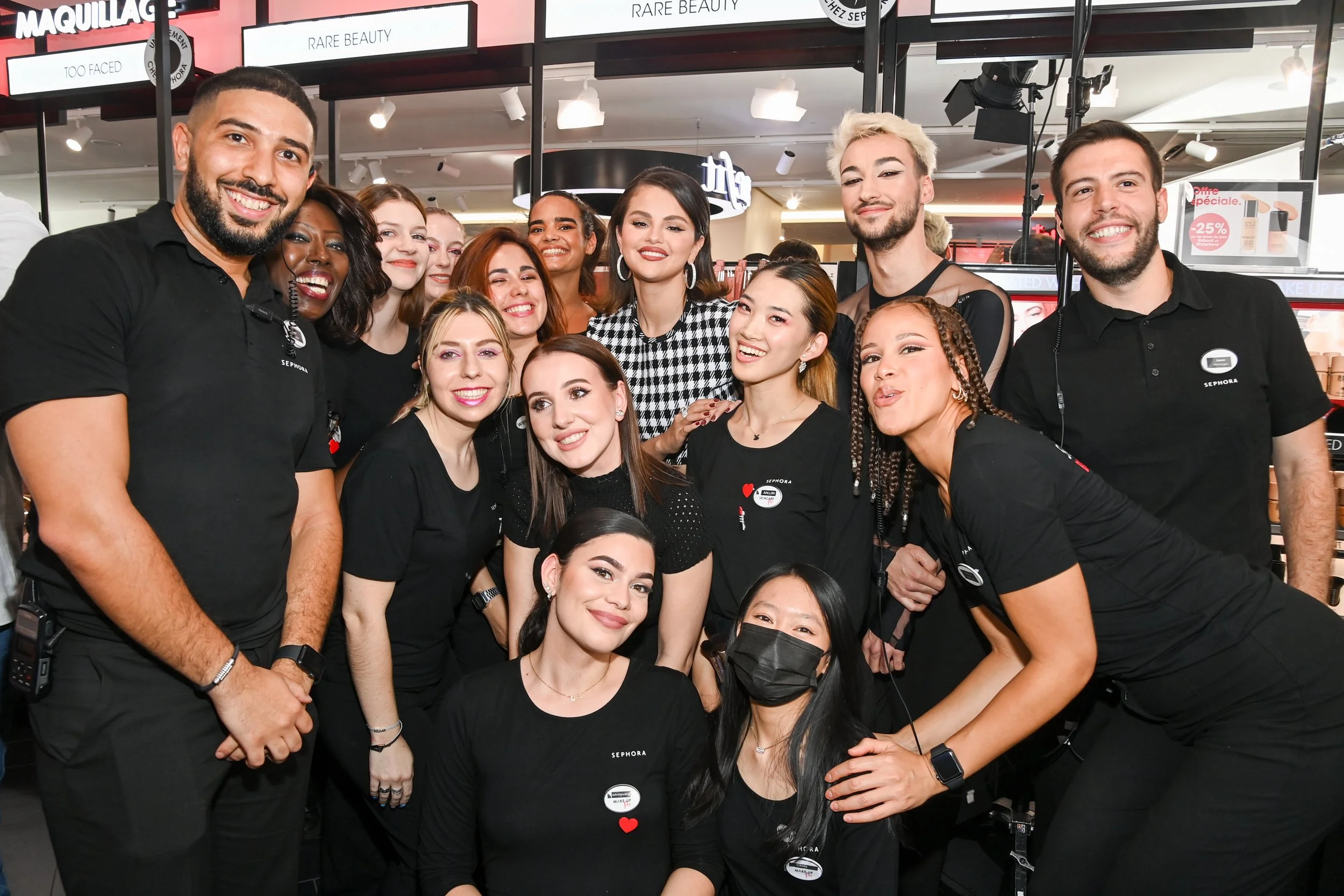
Selena Gomez, Rare Beauty. Pascal Le Segretain/Getty Images for Sephora
Salience from inspirational and inclusive partnerships
In service of celebrating everyone’s beauty and building brand salience, partnerships became a powerful lever for building Brand Power. A defining example was the creation of the Sephora Squad: a diverse, highly visible network of creators across regions and cultures. Crucially, Sephora’s meaningful Purpose made it easier to attract a passionate and authentic community of influencers who already believed in what the brand stood for. Rather than renting attention, Sephora earned advocacy, amplifying its brand through trusted voices and dramatically increasing its presence in everyday beauty conversations.
This approach was reinforced through high-profile cultural partnerships, including sponsorship of women’s sports teams in the U.S. such as Unrivaled, a new professional women’s basketball league, and the WNBA’s Golden State Valkyries. Markets like Australia have followed with Sephora’s sponsorship of the Athletes Unlimited Softball League (AUSL), and then there’s the much celebrated F1 Academy sponsorship launch. These unexpected partnerships have anchored Sephora in moments of real cultural energy and shared attention, allowing the brand to show up where people already care deeply. Together, creator advocacy and cultural alignment helped Sephora build salience not through sheer frequency, but through relevance, strengthening a story that was both meaningfully differentiated and culturally unmistakable.
The result: In 2025 Sephora was again named as one of the Best Global Brands worldwide by Interbrand, a ranking based on revenue, expected long term profit, global market presence, awareness, and brand strength. As a further indicator of these measures we’ve increasingly seen leading publications from Vogue to the Wall Street Journal continue to be intrigued by the beauty retailer’s success, and we expect much more is to come.
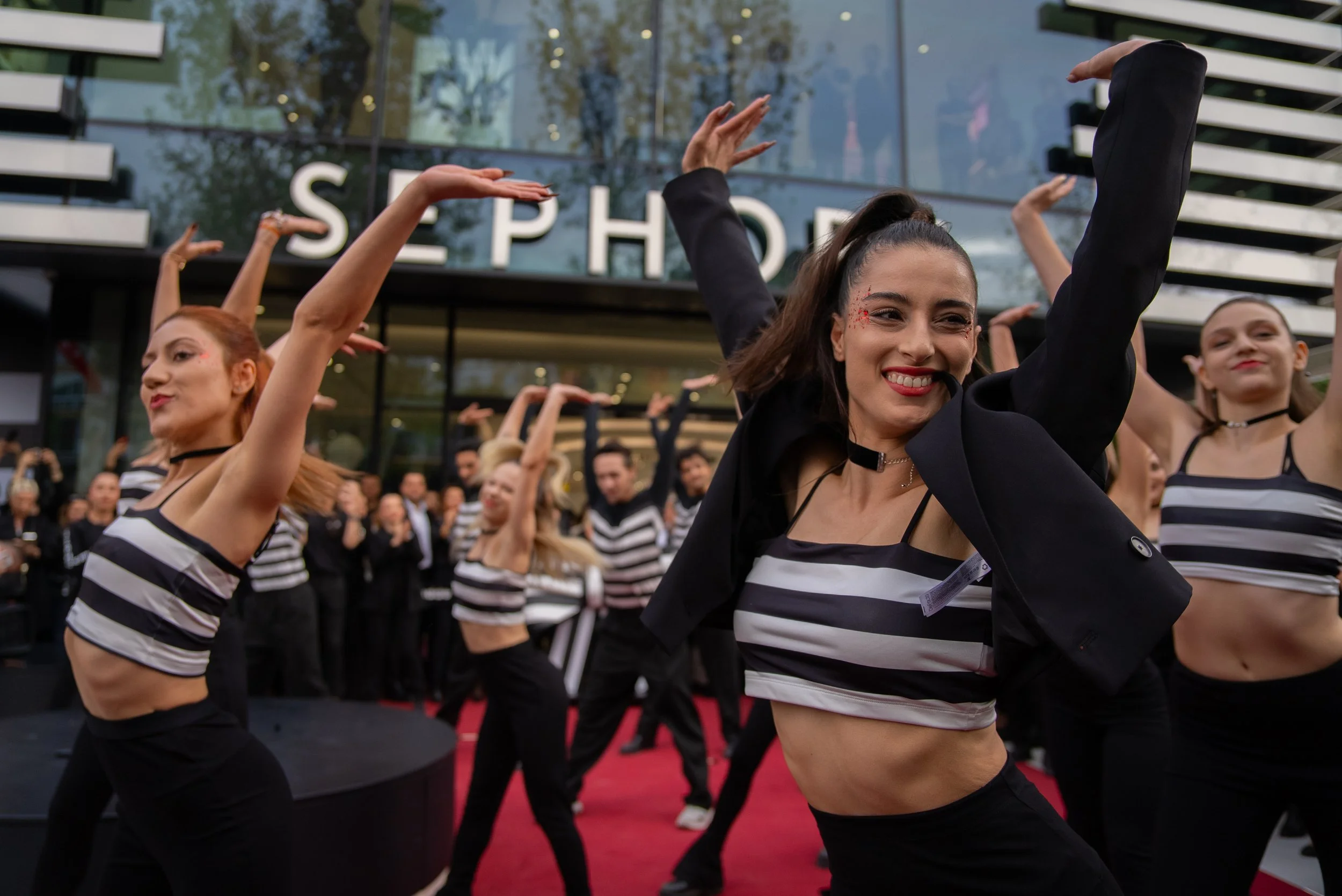
Sephora, Impact Report 2024
In summary
Sephora’s success story speaks for itself. It’s clear that Purpose was never applied after the fact as a marketing ploy. Instead, it is rooted in the founding story; used to reshape strategy, leadership decisions, internal conditions, innovation and brand expression. In doing this, the company has created a straight line from inclusion to innovation, from meaning and differentiation to Brand Power, and, ultimately, from Purpose to Growth. And it doesn’t look as though Sephora will lose momentum any time soon.
If anything sparks your interest in this or the following articles, please do email helen@purposefulgrowth.co