

Case study: gap Inc - REIGNITING AN ICONIC HOUSE OF AMERICAN BRANDS WITH LEADERSHIP AS THE STARTING POINT
GAP Inc
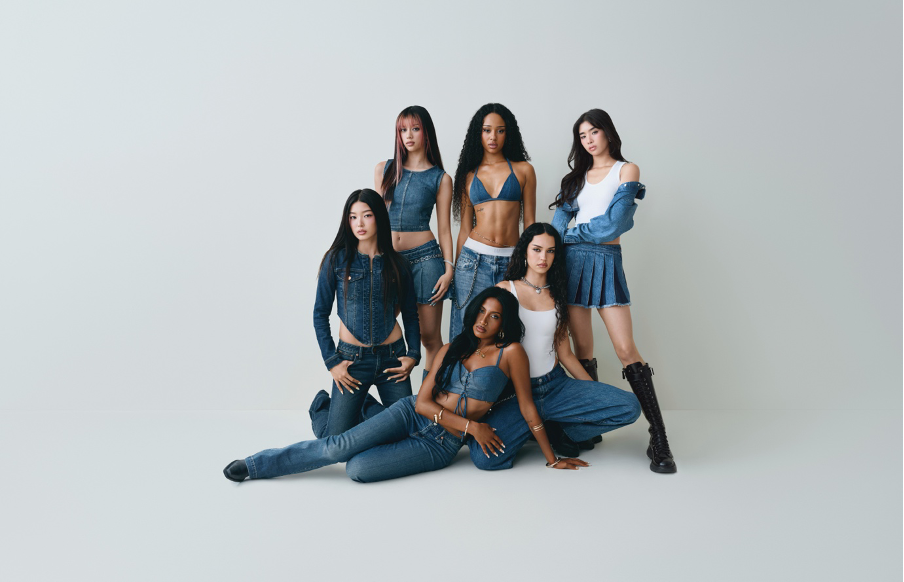
Gap Inc. is the parent company of four of the most iconic consumer brands in American retail: Gap, Old Navy, Banana Republic, and Athleta. Together, these brands reach millions of people every day, and they all play roles in how individuals dress and ultimately express themselves. Few companies can claim the level of cultural familiarity that Gap Inc.’s brands have built over decades. At their height, these weren’t just apparel brands, they were also cultural creators; their iconic products and advertising shaping how America saw itself reflected in popular culture.
That cultural power was unmistakable in moments such as 2006, when U2 frontman Bono and global activist Bobby Shriver assembled the founding partners of the now-legendary (PRODUCT)RED initiative to help fight HIV/AIDS. Their ambition was unprecedented: to embed societal impact directly into consumer spending at global scale. To do that, they sought brands with massive reach, outsized cultural influence, and an authentic track record of positive impact. Alongside names such as Apple, Nike, American Express, and Armani sat one that spoke volumes about cultural relevance at the time: Gap. With its American cool, minimalist aesthetic, deep roots in music, and iconic advertising, Gap was considered a powerful cultural amplifier.
For a new generation of consumers almost 20 years later, that level of cultural relevance was hard to imagine. As the retail landscape evolved, fast-fashion players introduced new speed, economics, and digital fluency, reshaping expectations around trend, convenience, and immediacy. In this louder, faster, more fragmented market, Gap Inc.’s brands remained widely familiar, but they had lost relevance and cultural currency. Marketing efforts shifted away from brand-building to purely promotional tactics, sacrificing the emotional storytelling that once propelled the brand into culture.
The result was stagnation. Between 2012 and 2022, Gap Inc.’s revenue across all of its brands stayed basically flat, while profits decreased from over $1.1 billion in 2014 to a net loss of $202 million in 2023. Like many heritage organizations, the company faced a familiar fundamental question: how to regain cultural relevance with both new and existing customers in a new world while staying true to the qualities that had made the brands beloved in the first place.
Leadership begins with defining what matters
Then came change. When Richard Dickson joined as CEO in August 2023, with Amy Thompson appointed as Chief People Officer in January 2024, Gap Inc. saw this moment not as a decline to manage, but as an opportunity to reignite what had always made the company and its brands special. Rather than starting with campaigns or collections as a quick fix, they chose to explore the most foundational leadership questions first: Why do we exist? What value can we add to the world to earn our way into new growth? What is a clear and meaningful role we can play in society for the next 20 years? And why should 86,000 employees and millions of consumers care?

GAP Inc
We were asked to facilitate that conversation, and the brief to us was as simple as it was ambitious:
“Help us identify our Purpose and leverage it to energize our culture and our iconic portfolio of brands.”
Gap Inc.’s leadership team deliberately started the journey not with tactics, but with the fundamentals of creating clarity, meaning, and focus for the way forward. In line with the Purpose discovery process outlined in this book, the work began by answering the two key questions:
What are Gap Inc.’s unique superpowers?
What does the world need, today and tomorrow?
From there, the goal was to understand how Gap Inc. could leverage its superpowers to create new relevance and growth by meeting that moment.
Rediscovering superpowers
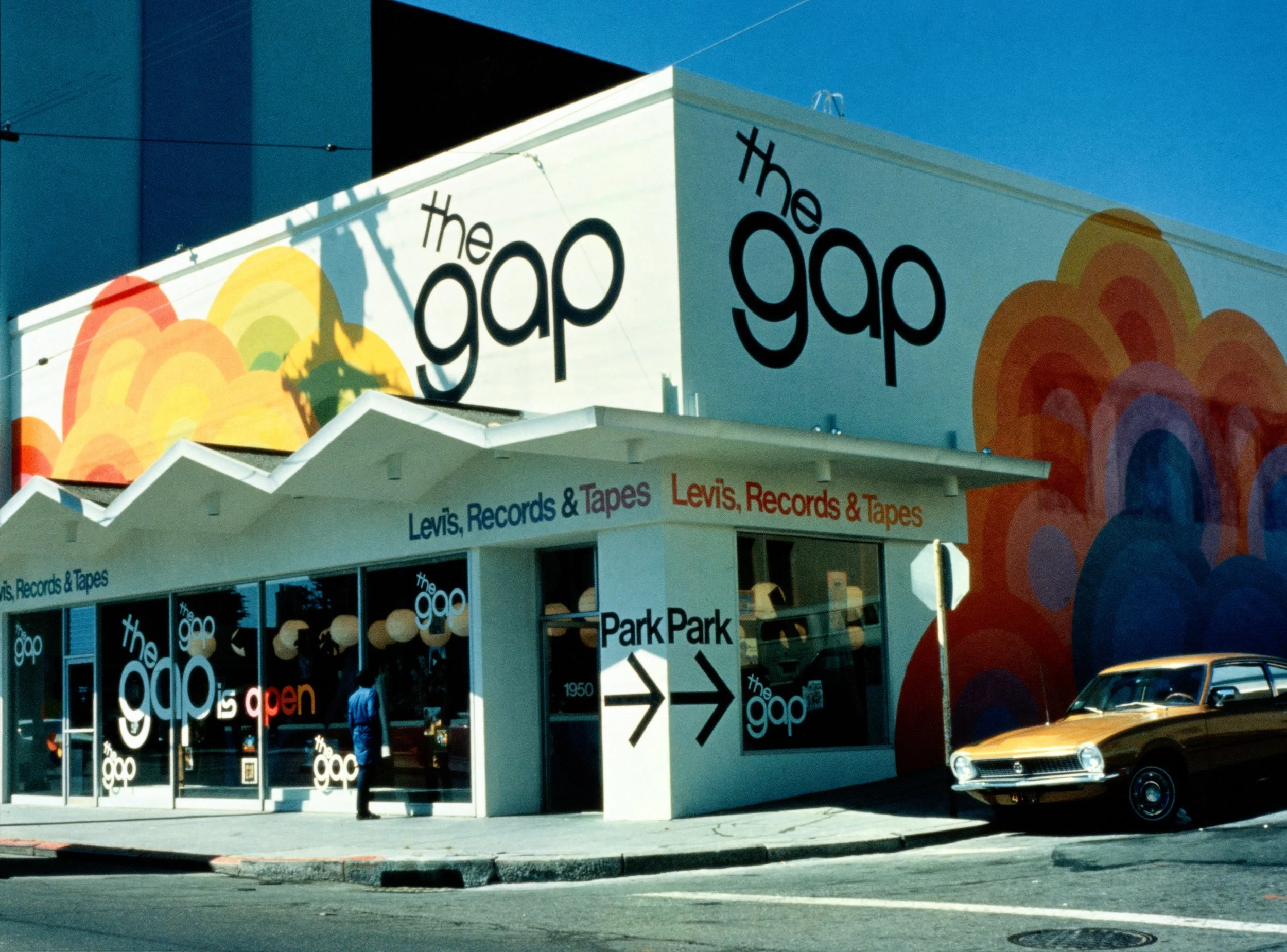
To ground the leadership team in Gap Inc.’s amazing heritage and understand what had made the company meaningful at its best, the journey began with executives revisiting Gap Inc.’s history across brands and moments of cultural significance. What emerged was a shared realization: Gap Inc.’s greatest strength has always been its ability to extend an invitation. An invitation to belong without having to conform. An invitation to express individuality through everyday style. An invitation that feels open, optimistic, and accessible.
GAP Inc
Having understood the organization’s unique DNA, we facilitated the discovery of the full set of current organizational superpowers:
A set of iconic American brands with deep emotional equity
Gap Inc.’s portfolio is not simply a collection of retail names; it is a set of brands that many people have grown up with and lived alongside. From first jobs to family milestones, athletic goals, and everyday rituals, Gap, Old Navy, Banana Republic and Athleta have been part of the fabric of our lives. That emotional equity is cumulative and generational. It creates familiarity, warmth, and trust that cannot be manufactured quickly. This gave the leadership team a rare foundation on which to build renewed relevance rather than starting from scratch.
Extraordinary reach and scale, spanning generations and communities
Few companies touch as many people, as often, and in as many different contexts as Gap Inc. Its brands operate at a massive scale, across physical stores, digital platforms, and communities. They serve children, parents, athletes, professionals, and retirees, often within the same household. This reach matters not just commercially, but also culturally: it allows Gap Inc. to act as a connective thread across age, income, geography, and background. Leadership recognized that this scale gives the company a unique ability to influence everyday life in ways that feel welcoming and inclusive, rather than elite.
A long-standing role in democratizing self-expression, not dictating it
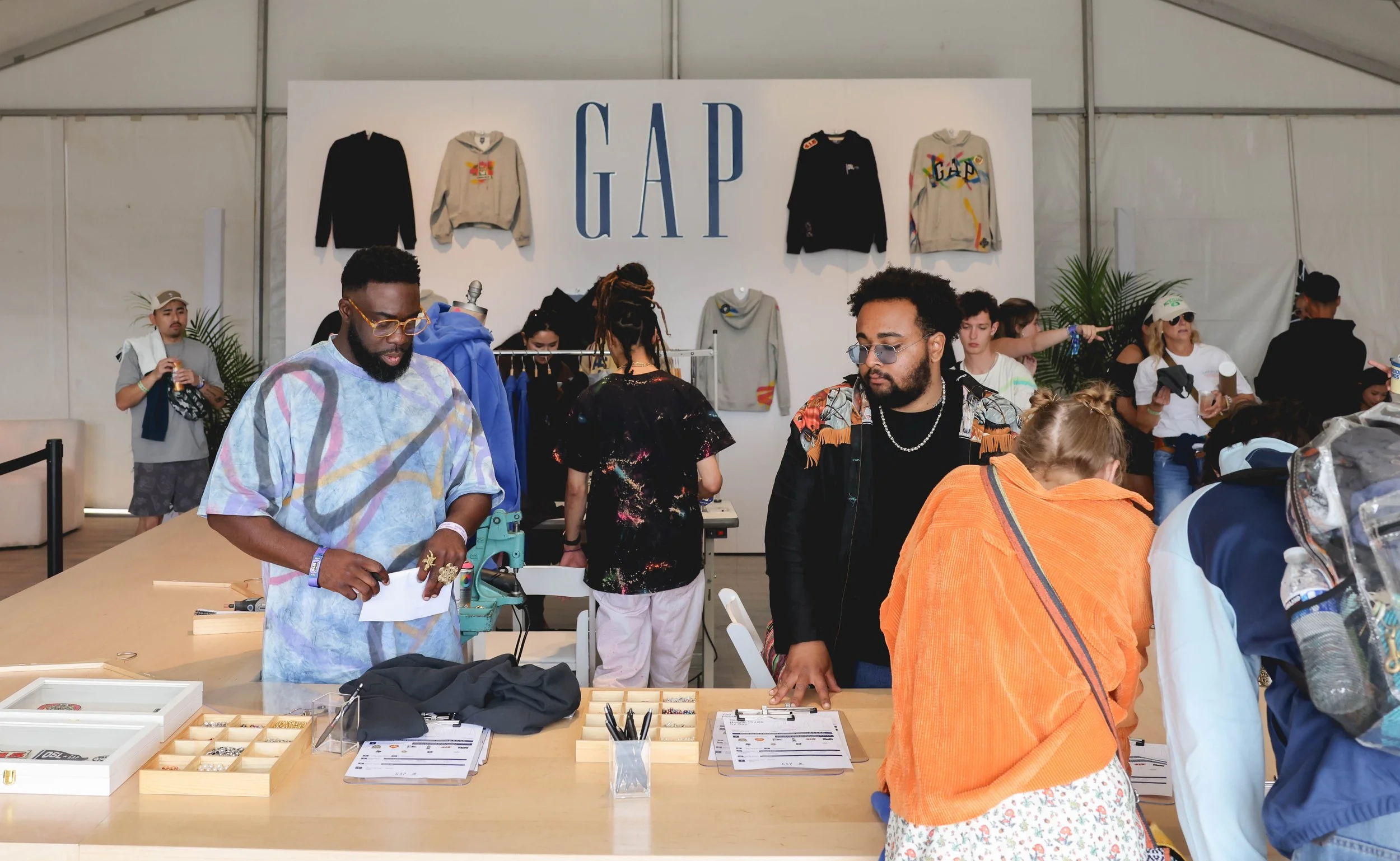
At its best, Gap Inc. has never told people who to be or how to look. Instead, it offers a canvas – clean, confident, and open – on which individuals can express themselves. Whether through denim, basics, or elevated essentials, the brands have historically lowered the barrier to style, making self-expression accessible rather than merely aspirational. This distinction mattered deeply in the Purpose discovery process. We saw that enabling people to express who they are, without pressure or prejudice, is a powerful antidote to defensiveness and division.
GAP Inc
Cultural goodwill beyond customers
Perhaps most telling was the insight that, while Gap Inc.’s cultural relevance had faded somewhat since its heyday, there was still a huge amount of cultural goodwill in America’s shared consciousness, far beyond current customers. Even people who hadn’t recently considered any of the brands recognized their broad positive appeal and welcoming nature. That baseline trust is a rare asset in an era of skepticism and brand fatigue. It meant Gap Inc. was able to participate in cultural conversations without immediately triggering resistance or suspicion. The thesis that emerged: when Gap Inc.’s brands extend an invitation, whether through product, store experience, or marketing message, it is more likely to reach open ears and be received as genuine rather than opportunistic.
After the leadership team had grounded themselves in these superpowers, we helped them turn to the second question: what the world needs, today and tomorrow.
Understanding what the world needs: polarization as a meta challenge
As we helped leaders examine the unmet needs not just of consumers but also of society more broadly, a meaningful insight emerged. Across generations, geographies, and social groups, people are experiencing a growing sense of division: socially, culturally, and economically. A 2024 Ipsos study showed that 81% of Americans say America is more divided than united, and in Ipsos’s 2025 Global Trends study, 47% of respondents said that, even within their own families, there is increasing conflict between relatives that don’t share the same values. Trust is fraying between institutions, between communities, and, increasingly, between individuals.
People are hungry for more unity. Studies from Edelman and SproutSocial, alongside wider research, make it clear that the majority of consumers, especially younger audiences, want brands to play a more connective role, using their platforms to help people connect across differences rather than deepen divisions. Loneliness and mental health challenges are also rising alongside cultural fragmentation: according to Our Epidemic of Loneliness and Isolation: The U.S. Surgeon General’s Advisory on the Healing Effects of Social Connection and Community 2023, half of Americans report feeling lonely.
When people feel disconnected and divided, solving anything together becomes nearly impossible.
If the toll polarization and division are taking on people everywhere wasn’t problematic enough, the process surfaced that these issues also present barriers to solving a much larger set of challenges: when societies are fragmented, almost every other problem becomes harder to address. Progress on education, income, opportunity, and wellbeing stalls when trust collapses and people stop listening to one another.
All this revealed Gap Inc.’s unique opportunity: rather than taking a side or amplifying division, the possibility of playing a different role emerged: being a catalyst for connection, belonging, and shared humanity, where expressing individuality is the condition for both being seen and seeing others.
Where Gap Inc.’s superpowers connect with what the world needs: from insight to Purpose
When we looked at the overlap between Gap Inc.’s superpowers and what the world needs, the intersection was unmistakable. Few companies are as well-positioned to help bridge divides through broadly accessible everyday self-expression. Apparel is one of the most universal human languages. What we wear communicates our identity and allows us to be seen and to feel belonging. And Gap Inc. operates at this intersection at a massive scale, presenting a huge opportunity to regain cultural relevance and, as a result, commercial reinvigoration.
This led the team to a simple yet powerful idea: the spaces and moments that help bridge divides can and must happen in the gaps that exist between people, cultures, and ideas. The problem, however, was that in a polarized society, most spaces for dialogue have become charged, performative, or exclusionary. Digital platforms amplify extremes, institutions are mistrusted, and brands that speak out about social issues are often perceived as pandering to a certain identity group. What’s missing are spaces where people can show up as themselves, without fear, without pretense, and without needing to pick a side.
Gap Inc.’s leadership recognized that this is precisely where their company is uniquely positioned to play a meaningful role. Gap Inc.’s brands are deeply woven into the fabric of American culture. At their best, they have always been widely accessible, human, and approachable platforms for a type of self-expression that doesn’t require perfection or permission; where people feel invited to see themselves, and each other, more fully.
That matters enormously in a divided world.
Together with the leadership team, we came to see that Gap Inc.’s role was not to lecture, persuade, or take positions on polarizing debates. Instead, its opportunity was to create the conditions for reconnection, to remind people of the best of who they are, individually and collectively. When people are connected to the best of themselves, they are more open to the best in each other. When they feel seen and grounded in their own identity, they are more open to seeing and accepting the identity of others. Gap Inc.’s superpowers help make that possible at scale:
Its iconic yet accessible products allow people from all walks of life to express their authentic selves with confidence, not conformity.
Its huge fleet of physical stores, embedded in local communities, provide human spaces where connection can happen face to face, through products and shared experience.
Its broad portfolio of brands and styles enables many different, highly accessible expressions of self to coexist under one shared roof.
Its cultural familiarity and trust mean that when Gap Inc.’s brands extend an invitation, people are open to listening.

GAP Inc
In this light, the idea of bridging gaps was no longer an abstract metaphor. It became a very real ambition: to help people reconnect – to themselves, to each other, and to what matters most, through accessible products that express individuality, and through everyday acts of community, connection, and belonging. Gap Inc.’s role was not about erasing differences or smoothing over tensions. It was about celebrating style and individuality while creating common ground. About honoring the beauty and strength of diversity, while reinforcing the shared humanity that connects us all.
The next job was to articulate this opportunity in ways that create clarity for everyone in the organization about the direction Gap Inc. was pursuing, to make that ambition meaningful by expressing its human significance, and to create focus on the desired commercial outcomes for the business. This resulted in Gap Inc.’s new Purpose framework.
Gap Inc.’s new Purpose was defined as:
We bridge gaps to create a better world
Not by shouting the loudest, not by choosing sides, but by creating spaces – physical, cultural, and emotional – where people can show up fully, express themselves, and reconnect with others, helping create a society where we feel like we belong together again.
The new Purpose statement, a grand and ambitious expression of intent, was paired with a new mission statement that more tangibly grounded this ambition in Gap Inc.’s brands, products, and category:
We power brands that inspire people to connect through authentic self-expression
And, lastly, a new vision statement manifested both the desired cultural outcome (new relevance) and commercial outcome (business growth) at a company level:
A high-performing house of iconic American brands that shape culture
This new Purpose framework created the foundations for great leadership: clearly defining the value the organization seeks to create, making this ambition meaningful, and defining a focused business outcome for all stakeholders to understand, feel, and act on.
Internal culture: turning ambition into reality
As covered in our chapter on culture as a driver of Purposeful Growth, culture is how Purpose gets done. It is the system of shared stories, experiences and behaviors that determines whether ambition turns into action, or remains aspirational language. Gap Inc.’s leadership team was equally clear-eyed about this: the new Purpose framework would only matter if it showed up in how people actually collaborated, made decisions, and led every day. With the ambition defined, the next step was to look at the internal culture.

GAP Inc
Culture begins with a story that unites
The first role of culture is to create coherence. In complex organizations, people rarely align around rules alone; they align around shared stories about who “we” are, what matters here, and how success is defined. Gap Inc.’s new Purpose, mission, and vision provided that unifying narrative. Together they gave employees a clear and meaningful human answer to a critical question: what are we all part of now?
The story was not about chasing the latest cultural moment. It was about reclaiming a long-standing role in enabling connection and self-expression, and doing so with renewed clarity and intent. The Purpose narrative helped employees across brands, functions, and geographies see how their individual roles contributed to a larger, shared ambition.
Defining the behaviors required to win
Next, the story needed to inspire action – the right action, we might add. Rather than randomly inserting new values and behaviors or polishing existing ones, we engaged the senior leadership team in a deliberate process to define what behavior shifts would be required inside the organization to realize the new Purpose, mission, and vision, and Gap Inc.’s commercial ambition alongside it. Inspired by the experience of discovering and defining Gap Inc.’s new Purpose framework, leaders examined how everyone in the organization, beginning with leaders themselves, would need to collaborate, create, and make decisions differently.




If Purpose articulated the WHY, Mission clarified the WHAT, and Vision defined the WHERE TO, Gap Inc.’s values needed to describe the HOW: how employees, beginning with leaders, need to show up in moments that matter, how trade-offs are made, and how performance is both created and evaluated. This work resulted in a clear set of values and behaviors, articulated by the company as follows:
Center on the customer: every decision we make starts with our customer – from the materials we use in our manufacturing process to the music we play in our stores.
This value establishes the customer as the ultimate reference point for decision-making across the organization. It reinforces that cultural relevance is not created in conference rooms, but in the lived experiences of customers. By anchoring everything from product choices to in-store environments in real human needs, this principle helps break down functional silos and keeps teams focused on outcomes that matter most.
GAP Inc
Create with curiosity: curiosity allows us to imagine – and then do – better. We challenge the status quo, grow from our experiences, and inspire dynamic creativity everywhere.
Curiosity is positioned not as abstract creativity, but as a disciplined capability. This value legitimizes exploration, learning, and experimentation while encouraging teams to remain culturally fluent and adaptive. It creates the conditions for innovation to emerge organically, without prescribing solutions or constraining imagination.
Collaborate with candor: exchanging candid and direct perspectives brings out the best in us, pushing us to go beyond what we can see alone. We listen to each other and find common ground.
This principle acknowledges that progress and successful execution depend on honest dialogue. By elevating candor alongside collaboration, Gap Inc. signals that trust is built not through conflict avoidance, but through respectful challenge and open exchange. It enables teams to navigate complexity, surface tensions early, and move forward together with greater speed, clarity, and alignment.
Champion excellence: we strive to be our best. And we deliver excellence by setting clear expectations, removing barriers to execution, and empowering everyone to meet and exceed ambitious goals.
Here, excellence is framed as accountability with support. This value ensures that empathy and inclusion are matched with rigor and performance expectations. By clarifying what “great” looks like and actively enabling people to achieve it, Gap Inc. reinforces Purpose as a driver of performance.

GAP Inc
Designing an employee experience that inspires the shift
To translate these new expectations into sustained changes in everyday behavior, Gap Inc. recognized that Purpose could not live in storytelling alone. It required the intentional design of the entire end-to-end employee experience. The aim was to ensure that the cultural and behavioral expectations were consistently reinforced at every meaningful moment in an employee’s journey. Every major step in the employee lifecycle, from how people are recruited and onboarded, to how they are recognized and developed over time, had to be looked at through this lens: does this moment inform, inspire and empower the behaviors needed to realize the ambitions articulated by the Purpose framework? Infused with the Purpose story and supported by creative internal communications, this turned the employee experience from a collection of somewhat unrelated HR touch points into a meaningful series of engaging moments that kept Purpose alive, celebrated collective wins, and made the desired behaviors visible.

GAP Inc
While every touch point matters, leadership behavior is, in our experience, the most important element of the employee experience, because leaders are the most visible storytellers and behavior role models in any organization. Gap Inc.’s leadership team recognized that they could not ask the rest of the organization to behave differently without modeling those behaviors across all levels of leadership. As a result, the values were explicitly expanded into leadership principles, shaping how leaders tell stories, prioritize work, give feedback, resolve tension, and make trade-offs. This focus on leadership ensured that cultural expectations weren't merely communicated to employees, but experienced and modeled through leaders, day in and day out. Leadership became the primary channel through which the cultural story was told, how norms were reinforced, and where behavior was made real.
Purpose driving performance: where culture becomes brand experience
In Gap Inc.’s business, culture becomes most tangible in the place where the brands meet the customer: the store, where purpose is either experienced - or not. It is here that culture moves from internal belief to external experience across the company’s portfolio of brands.
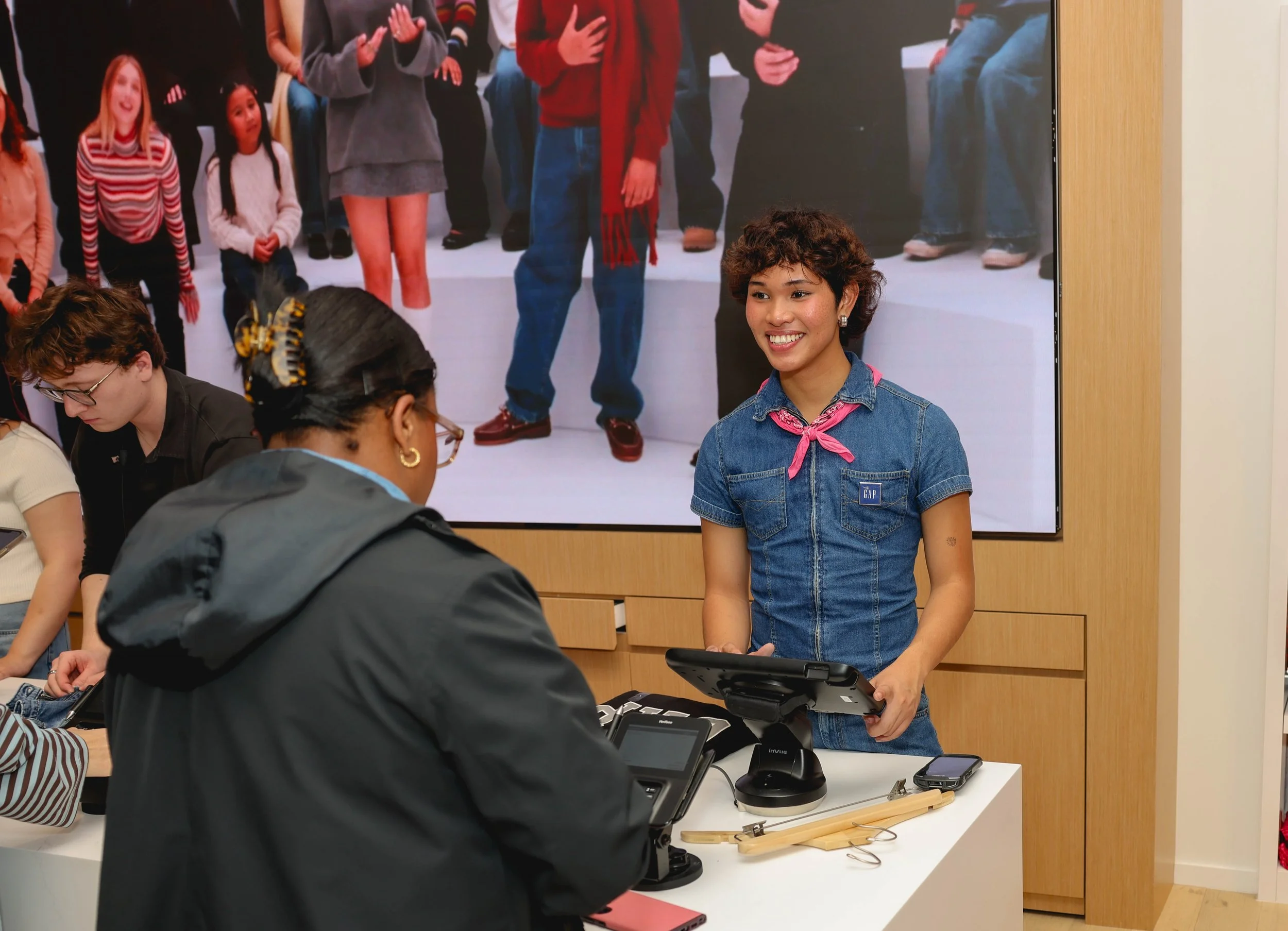
Consider a typical moment on the sales floor: a customer walks in looking for something specific, but leaves with more than a product - she leaves feeling understood. The associate who helped her didn’t just complete a transaction; they listened, connected, styled, and built trust. That interaction, repeated thousands of times a day across stores, is what sets the experience apart, and ultimately turns purpose into commercial performance.
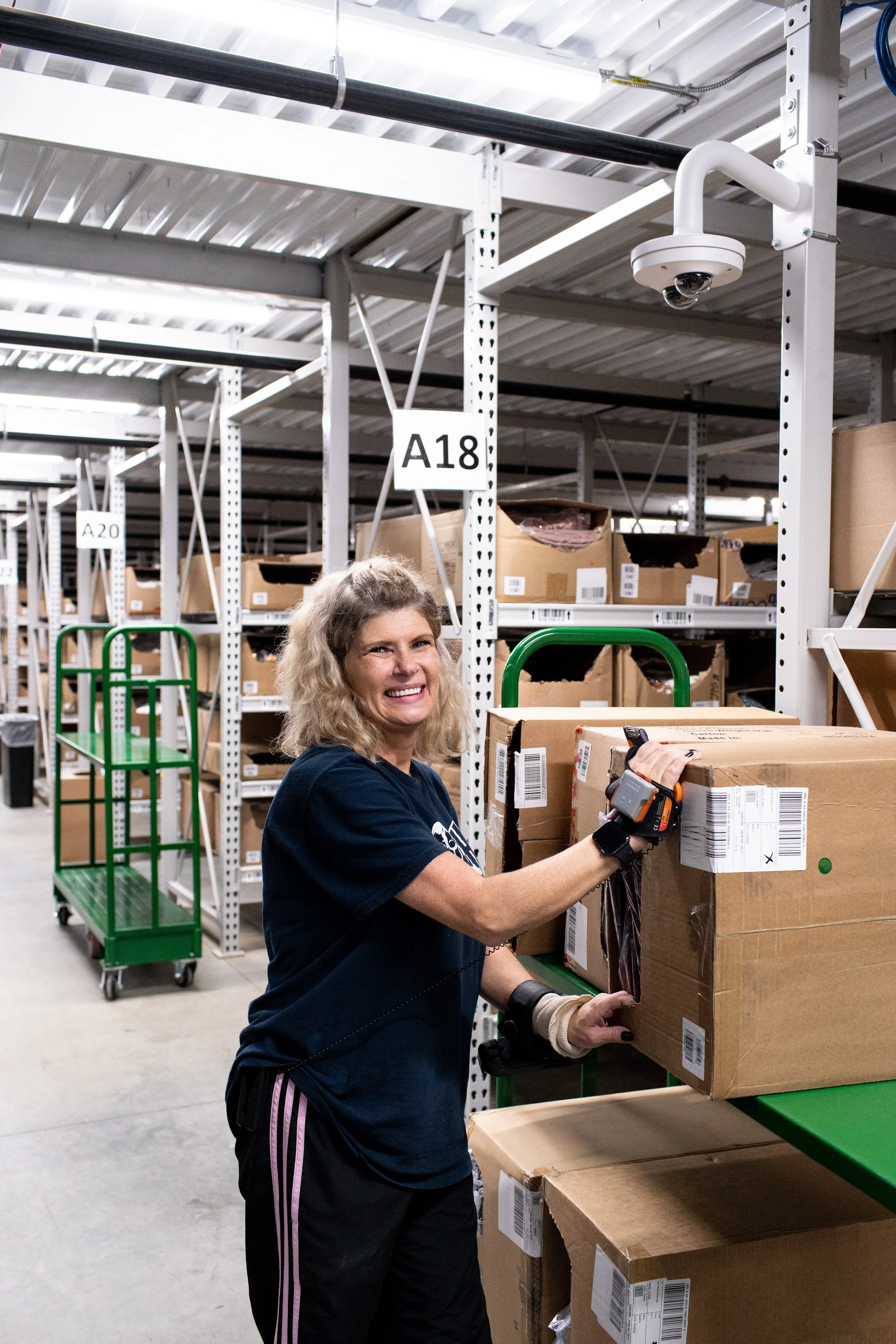
With this in mind, the company made a deliberate shift: investing in store employees not as an operational necessity, but as the primary way to bring its purpose to life across its brand portfolio. More than 60,000 store leaders and brand associates now serve as the daily expression of Gap Inc.’s purpose in action.
This shift was grounded in a clear belief: human connection is at the core of Gap Inc.’s purpose, and also the true differentiator in physical retail. As a result, what “great talent” looks like was redefined, prioritizing emotional intelligence, authenticity, product fluency, and the ability to build meaningful customer relationships.
Rather than treating this as a training initiative, Gap Inc. embedded these expectations across the entire employee experience—from hiring and onboarding to coaching, development, and recognition—ensuring that every moment reinforces what it means to show up in line with the company’s purpose.
The impact is both human and commercial. When store teams engage customers with authenticity and expertise, customers stay longer, buy more, and return more often - building preference and loyalty over time. At the same time, a more intentional employee experience has strengthened engagement, reduced turnover, and improved productivity.
At its most tangible, this is Purpose brought to life at scale, through the human interaction between associate and customer.
Bringing focus to how Gap Inc. shows up in the world
Importantly, the clarity Purpose provided did not only shape how Gap Inc. operates its business and brands; it also brought focus to how the company shows up in the world more broadly. Gap Inc. had long been leading across a range of social and environmental areas, from advancing pay equity and inclusion, to creating pathways to opportunity and investing in more sustainable supply chain practices. What the new Purpose framework provided initially was not a new set of activities, but a unifying lens. It organized these efforts around the central idea of bridging gaps, both at a corporate level and through the company’s consumer brands themselves. In doing so, this shifted standalone programs into a more connected expression that could be seen, felt, and engaged with at scale. Whether closing the equity gap, the inclusion gap, the opportunity gap, or the climate gap, these initiatives can now be experienced as part of a coherent story rather than a collection of programs. It made them more engaging internally, and more meaningful externally, helping employees see how their work connects to the company’s broader ambition, and enabling consumers to better understand the role Gap Inc. and its brands seek to play.

GAP Inc
In summary: Purposeful Growth starts with leadership
Gap Inc.’s journey illustrates one of our most central beliefs: Purposeful Growth starts with leaders defining what matters most. This is the initial spark that lights the fire. It is where conviction and ambition originate from and emanate across an entire organization.
In finding Purpose, Gap Inc.’s leadership team created clarity, meaning, and focus that reignited culture. And new cultural energy created an innovative brand experience. Together, these forces built on one another with a compounding effect, unlocking momentum that no isolated initiative could have achieved alone.
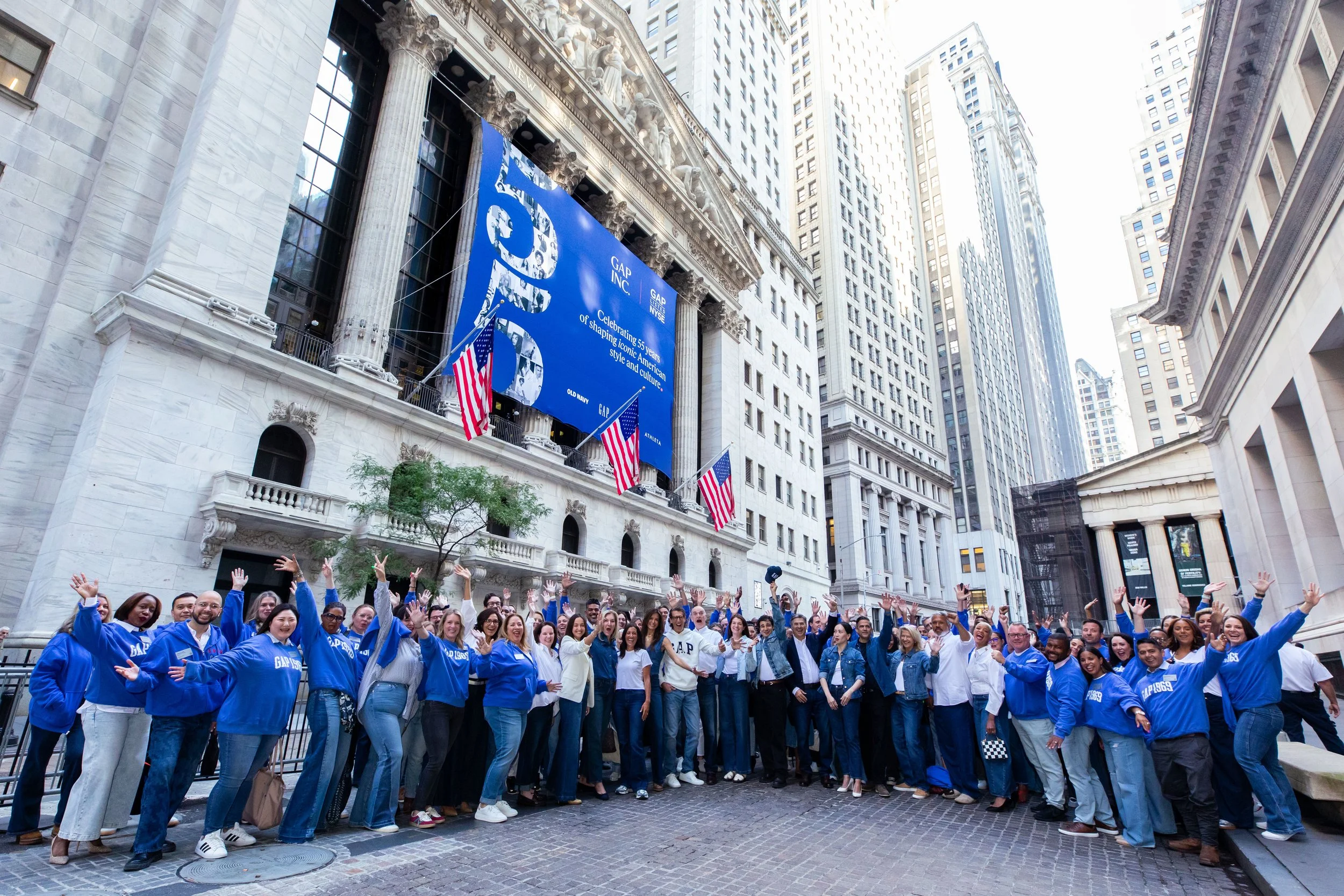
After years of decline, Gap Inc.’s new leadership team has reported improved profitability, with eight consecutive quarters of positive comparable sales, and all four consumer brands gaining market share by the end of 2025, a major sign of renewed commercial momentum. And beyond profits, the company has also been recognized in culture alongside its consumer brands: in 2025, Gap Inc. was named as one of TIME100’s most influential companies in the world.
This renewal began when leaders chose to ask a foundational question: What role do we want to play in a world that needs more connection, not less? By answering that question with conviction, Gap Inc. laid the foundation for sustainable Purposeful Growth.
GAP Inc
If anything sparks your interest in this or the following articles, please do email philipp@purposefulgrowth.co